10 Top Benefits of HVAC Maintenance
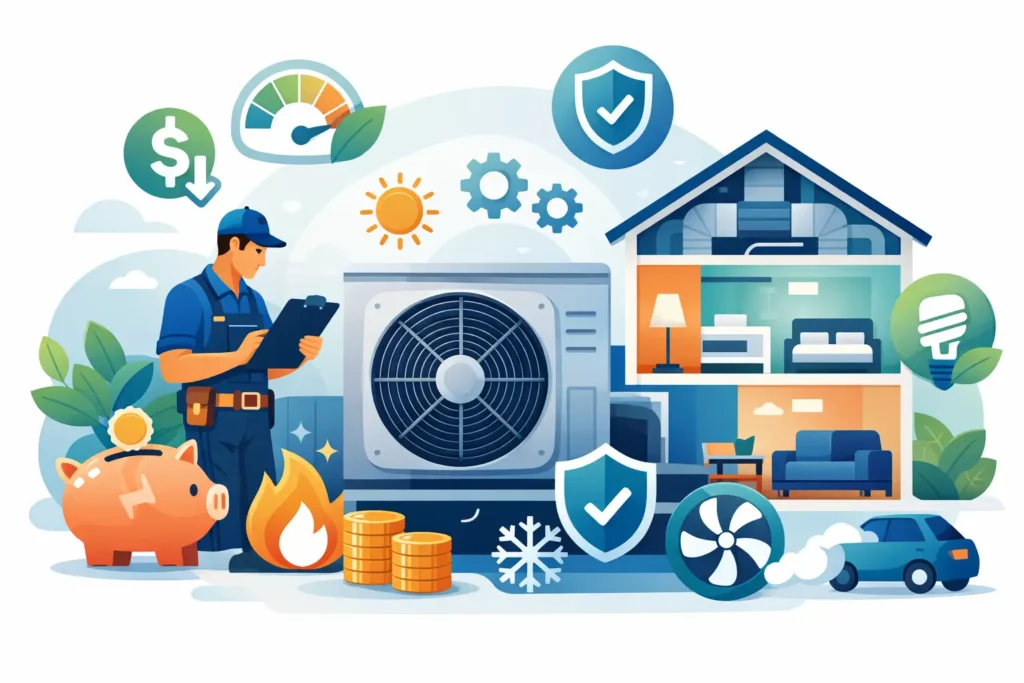
When your AC quits in the middle of a Georgetown summer, nobody cares that it was “probably due for service.” They care that the house is getting hotter by the minute and the repair bill may have been avoidable. That is why the top benefits of HVAC maintenance matter so much for Central Texas homeowners. Regular service is not just a box to check – it is one of the simplest ways to protect comfort, control costs, and reduce the chance of surprise breakdowns.
For most homes, HVAC maintenance works best when it is treated like routine home care rather than emergency response. Heating and cooling systems run hard here, especially air conditioners, and that steady workload creates wear over time. Small issues build quietly until they turn into poor airflow, rising electric bills, uneven temperatures, or a complete shutdown on the hottest day of the year.
Why the top benefits of HVAC maintenance show up over time
A well-maintained system usually does not reward you with one dramatic moment. Instead, it pays off in smaller ways that add up month after month and season after season. Your system runs more efficiently, your home feels more consistent, and you are less likely to deal with urgent repairs at the worst possible time.
That long-term value is what many homeowners miss. If your unit still turns on, it is easy to assume everything is fine. But HVAC systems can keep operating while already losing efficiency or putting stress on key components. Maintenance helps catch those problems early, when they are usually easier and less expensive to address.
Lower energy bills without changing your routine
One of the biggest reasons homeowners schedule maintenance is energy efficiency. When filters are clogged, coils are dirty, refrigerant levels are off, or airflow is restricted, your system has to work harder to cool or heat the house. More effort usually means more electricity used.
Routine maintenance helps your equipment operate closer to the way it was designed to run. That does not mean every home will see the exact same drop in utility costs. It depends on the age of the system, how dirty it has become, duct condition, thermostat settings, and how often the equipment runs. Still, cleaner and properly adjusted systems are generally more efficient than neglected ones.
In a place like Central Texas, where AC use can stay heavy for long stretches, even modest efficiency improvements can make a noticeable difference over time.
Fewer breakdowns during peak season
Most HVAC calls do not happen on mild, pleasant days. They happen during heat waves and cold snaps, when systems are under the most strain. Preventive maintenance helps lower the risk of those peak-season failures by identifying loose electrical connections, worn parts, drainage issues, and other warning signs before they turn into bigger problems.
This is one of the top benefits of HVAC maintenance that homeowners appreciate most after they have gone through one emergency repair. The goal is not to promise that maintenance prevents every breakdown. No service can guarantee that. Parts can still fail, especially on older equipment. But regular inspections improve your chances of catching trouble before it leaves you without cooling or heat.
That matters even more for families with kids, older adults in the home, pets, or anyone working from home who depends on reliable indoor comfort every day.
Longer system lifespan
Replacing an HVAC system is a major home expense, so it makes sense to get as many solid years from it as possible. Maintenance supports that by reducing unnecessary strain on the equipment. When major components do not have to fight through dirt, restriction, or unresolved wear, they generally last longer.
Think of it this way: a system that runs hard and runs dirty is usually aging faster than one that gets regular attention. Motors, capacitors, contactors, blower components, and compressors all benefit when the system is cleaned, checked, and adjusted on a consistent schedule.
There is some nuance here. Maintenance cannot make an old or poorly installed system last forever. If a unit is already near the end of its service life, maintenance may simply help it run more reliably while you plan for replacement. That is still valuable because it gives you more control over timing and budget.
Better indoor comfort in every room
Homeowners often notice comfort issues before they notice mechanical ones. Maybe the upstairs stays warm, one room never seems to cool properly, or the system runs longer than it used to. Maintenance can help improve those everyday comfort problems by addressing airflow restrictions, thermostat calibration issues, dirty components, and other performance concerns.
Consistent comfort is not always about the equipment itself. Sometimes ductwork, insulation, home layout, or system sizing also play a role. Even so, maintenance is often the first and most practical step because it helps confirm whether the existing system is operating correctly before you assume a larger problem.
A properly maintained unit tends to cool and heat more evenly, cycle more appropriately, and respond better to thermostat settings. That can make the house feel more comfortable without constantly adjusting the temperature.
Improved indoor air quality
Your HVAC system does more than control temperature. It also moves air through your home every day. If the system is dirty or the filter is overdue for replacement, that airflow can carry more dust and irritants than it should.
Maintenance helps support better indoor air quality by keeping filters, coils, and other components cleaner and checking that the system is moving air as it should. For households dealing with dust, allergies, or general stuffiness, that can make a meaningful difference.
This benefit has limits, and it helps to be honest about them. Maintenance alone will not solve every indoor air quality issue. Homes with heavy dust, high humidity, pets, or duct problems may need additional solutions. But regular HVAC service is still a strong foundation because a neglected system can contribute to the problem.
More dependable heating when winter arrives
In Central Texas, cooling gets most of the attention, but heating still matters. Furnaces and heat pumps may sit unused for long stretches, which can make winter startup issues easy to miss until the first cold front arrives.
Seasonal maintenance helps make sure your heating system is ready when temperatures drop. That includes checking performance, safety, airflow, and overall condition so you are not finding out about a problem on the first truly cold night of the season.
For homeowners who rarely think about heat until they need it, this may be one of the most overlooked advantages of preventive service.
Safer operation and fewer hidden issues
Some HVAC problems are inconvenient. Others can raise safety concerns. Electrical issues, drainage problems, overheating components, and furnace-related concerns are all reasons regular inspections matter.
During maintenance, technicians are not just cleaning the system. They are also looking for signs that something is wearing out, running incorrectly, or creating avoidable risk. That extra set of trained eyes can be especially helpful with aging systems that may still be working but not as safely or efficiently as they should.
Again, there is no reason to exaggerate this point. Most systems do not suddenly become hazardous overnight. But regular service helps identify concerns earlier, which is always better than waiting for a bigger failure.
Easier budgeting and fewer surprise repair costs
Emergency repairs usually come with bad timing. They also tend to be more stressful because you need answers fast, and there is less time to weigh options. Maintenance gives homeowners a more predictable path by reducing surprise issues and helping them plan ahead for needed repairs or replacement.
That planning aspect matters. If a technician sees a worn part, a declining component, or signs that a system is nearing the end of its useful life, you can make decisions before the situation becomes urgent. That is often easier on both your schedule and your budget.
For many homeowners, that peace of mind is one of the real top benefits of HVAC maintenance. You are not just paying for a tune-up. You are buying more visibility into the health of one of the most important systems in your home.
Better performance during extreme Texas weather
HVAC systems in Georgetown, Round Rock, Hutto, Jarrell, Leander, and nearby areas deal with long cooling seasons, dust, and frequent high-demand operation. Those local conditions matter. A maintenance routine that seems optional in a milder climate can make a much bigger difference here because the system has fewer breaks and more opportunities to wear down.
That is one reason local service matters too. A contractor who works with Central Texas homes every day understands how hard AC systems run here and what problems show up most often. Neal HVAC has served homeowners in this area since 2009, and that kind of local experience helps when the goal is dependable performance, not just a quick fix.
When maintenance matters most
The best time for maintenance is before you need the system most. Spring is ideal for AC service, and fall makes sense for heating checks. If you have missed that window, it is still worth scheduling. Late is better than waiting for a breakdown.
Older systems, homes with pets, households with allergy concerns, and equipment that runs almost nonstop often benefit the most from consistent maintenance. Newer systems need it too, just for different reasons. With newer equipment, the focus is often on preserving efficiency, performance, and long-term reliability.
If your system has been making unusual noises, struggling to keep up, or pushing your energy bills higher than expected, those are good reasons to stop putting service off. A maintenance visit may reveal a simple issue before it becomes a major repair.
Comfort at home should not feel like a gamble. A little attention at the right time can save a lot of frustration later, and that is usually the difference between reacting to HVAC problems and staying ahead of them.