Furnace Repair Leander Texas Homeowners Can Trust
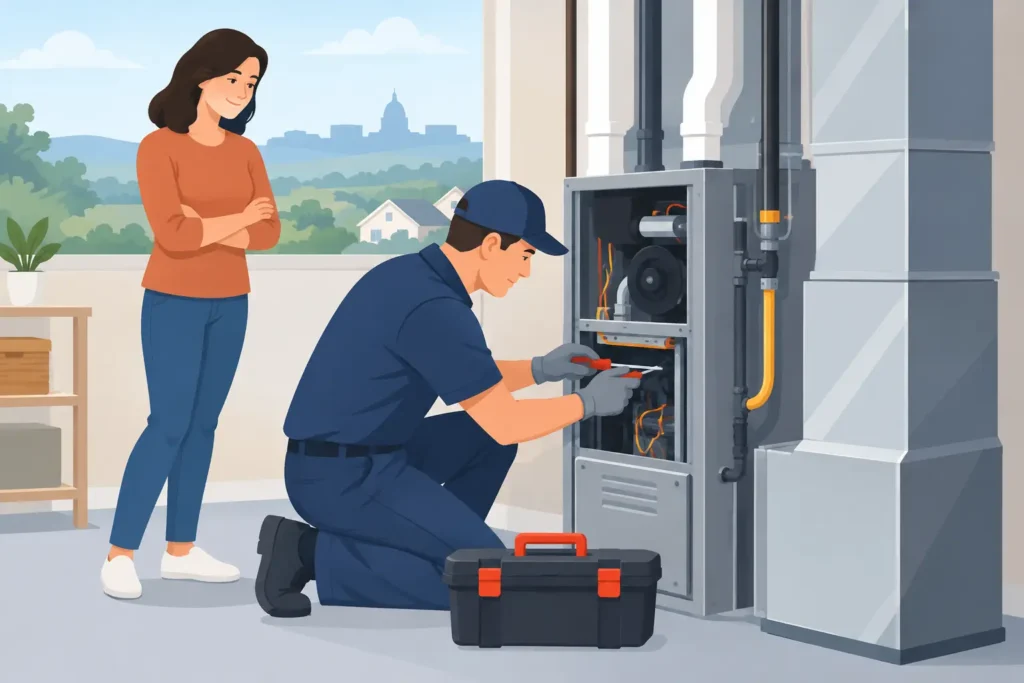
A search for “furnace repair Leander Texas” usually starts on an uncomfortable morning. The thermostat is set correctly, but the house feels cold. The furnace may be making an unfamiliar sound, cycling on and off, or refusing to start at all. When that happens, homeowners need a clear answer, dependable service, and a technician who treats their comfort like a priority.
While Central Texas winters are generally mild, cold fronts can arrive quickly. A furnace that has been sitting unused for months may show problems the first time it is asked to heat the home. Addressing those warning signs early can often prevent a complete breakdown when your family needs heat most.
When to Call for Furnace Repair in Leander, Texas
Not every furnace issue means the system needs to be replaced. Some problems are relatively straightforward, such as a dirty filter, a weak thermostat battery, or a worn ignition component. Others require prompt professional attention to protect your safety and avoid further damage to the equipment.
If your furnace will not turn on, blows cool air, or cannot maintain the temperature set on the thermostat, it is time to schedule service. A system that repeatedly starts and stops, known as short cycling, also deserves attention. Short cycling can be caused by airflow restrictions, thermostat issues, overheating, or equipment problems, and continuing to run the system this way can add unnecessary wear.
Strange noises should not be ignored. A brief sound at startup may be normal for some systems, but banging, grinding, rattling, squealing, or persistent buzzing can point to a loose part, motor issue, blower problem, or other mechanical concern. Likewise, new odors matter. A dusty smell during the first heating cycle of the season can be common, but a burning smell that lingers or any gas-like odor should be treated seriously.
For gas furnaces, leave the home and contact the appropriate emergency service if you smell gas. Do not attempt to locate a leak or restart the system yourself. Safety always comes before restoring heat.
Common Furnace Problems and What They Can Mean
A furnace is a connected system. The thermostat sends the call for heat, safety controls verify proper operation, the ignition system lights the burners on a gas furnace, and the blower moves warmed air through the home. A disruption anywhere in that sequence can leave you without dependable heat.
A clogged air filter is one of the most common causes of poor heating performance. When airflow is restricted, the furnace can overheat, run longer than necessary, and struggle to distribute warm air evenly. Replacing a filter may help, but if the furnace continues to shut down or produce weak airflow, there may be a larger issue involving the blower, ductwork, or safety controls.
Ignition and pilot-related problems are another frequent reason a furnace will not heat. Modern systems commonly use electronic ignition rather than a standing pilot light. These components can wear out over time, and a technician can determine whether the issue is the igniter itself, a flame sensor, wiring, or another part of the startup sequence.
Thermostat problems can look like furnace problems. If the display is blank, settings are incorrect, or the thermostat is not communicating with the equipment, the furnace may not receive the right signal. Before calling for service, check that the thermostat is set to Heat, the temperature is set above the current indoor temperature, and the batteries are fresh if your model uses them. If those basics check out, professional diagnosis is the next step.
Uneven heating is also common in larger homes, older homes, and homes with rooms that receive different amounts of sun. Sometimes the answer is a repair to the furnace or blower. Other times, duct leaks, poorly balanced airflow, insulation gaps, or a system that is not sized well for the home may be contributing. A thorough service visit should look beyond the symptom instead of treating every comfort problem as the same repair.
What to Check Before You Schedule Service
There are a few safe checks homeowners can make before requesting furnace repair. Start with the thermostat settings, then inspect the air filter. If the filter looks heavily coated with dust or debris, replace it with the correct size and type for your system.
Next, check the circuit breaker serving the furnace. A tripped breaker may be reset once, but do not repeatedly reset it if it trips again. That can signal an electrical issue that needs professional service. If you have a gas furnace, confirm that the furnace switch has not been turned off and that the gas supply has not been interrupted. Never remove access panels or try to bypass safety switches.
These simple steps can rule out an easy fix, but they are not a substitute for a complete inspection. Furnaces involve electricity, moving parts, combustion, and venting. A trained technician has the tools and experience to diagnose the cause safely and accurately.
Repair or Replace? The Answer Depends on the System
Homeowners often wonder whether a repair is worth making, especially when a furnace is older. There is no single answer because the right choice depends on the repair needed, the age and condition of the system, its maintenance history, and how reliably it has been heating the home.
A repair often makes sense when the furnace has been dependable, the issue is isolated, and the equipment is not near the end of its expected service life. Replacing a worn part and scheduling routine maintenance can restore reliable performance without the cost of a full installation.
Replacement may be worth considering when repairs are becoming frequent, heating bills keep climbing, comfort is inconsistent, or a major component fails on an aging unit. A newer high-efficiency system can improve comfort and reduce energy use, but the best option should be based on your home, your budget, and your long-term plans. A trustworthy HVAC company should explain the available choices clearly, not pressure you toward a decision that does not fit your needs.
Why Timely Furnace Service Protects Your Home
Waiting on a furnace problem can turn a manageable repair into a larger disruption. A system that is overheating, short cycling, or operating with restricted airflow is under stress every time it runs. Even if it still produces some heat, efficiency and reliability may be declining.
Prompt service also helps protect indoor comfort during sudden Leander cold snaps. Furnaces tend to fail at the worst possible time because that is when they are running the hardest. Scheduling help at the first sign of trouble can give you more control over timing and options.
For homeowners with older equipment, annual maintenance is one of the best ways to reduce surprises. A maintenance visit can include checking electrical connections, inspecting safety controls, cleaning key components, evaluating airflow, and confirming that the system is operating properly. It cannot prevent every repair, but it can uncover developing concerns before they become urgent.
Choosing a Local Team for Furnace Repair
When your heat is not working, clear communication matters as much as technical skill. You should know what the technician found, what the repair involves, and what to expect before work begins. Look for a local company that responds promptly, respects your home, and provides straightforward recommendations.
Neal HVAC serves homeowners in Leander and nearby Central Texas communities with dependable heating and cooling service. Whether your furnace has stopped working completely or has begun showing early warning signs, a qualified technician can help identify the issue and explain the next practical step.
A working furnace should be easy to take for granted. If yours is making noise, heating unevenly, or failing to keep up, do not wait for the next cold night to find out how serious the problem is. Schedule service early, ask questions, and give your home the reliable warmth it deserves.