Guide to Seasonal HVAC Tuneups
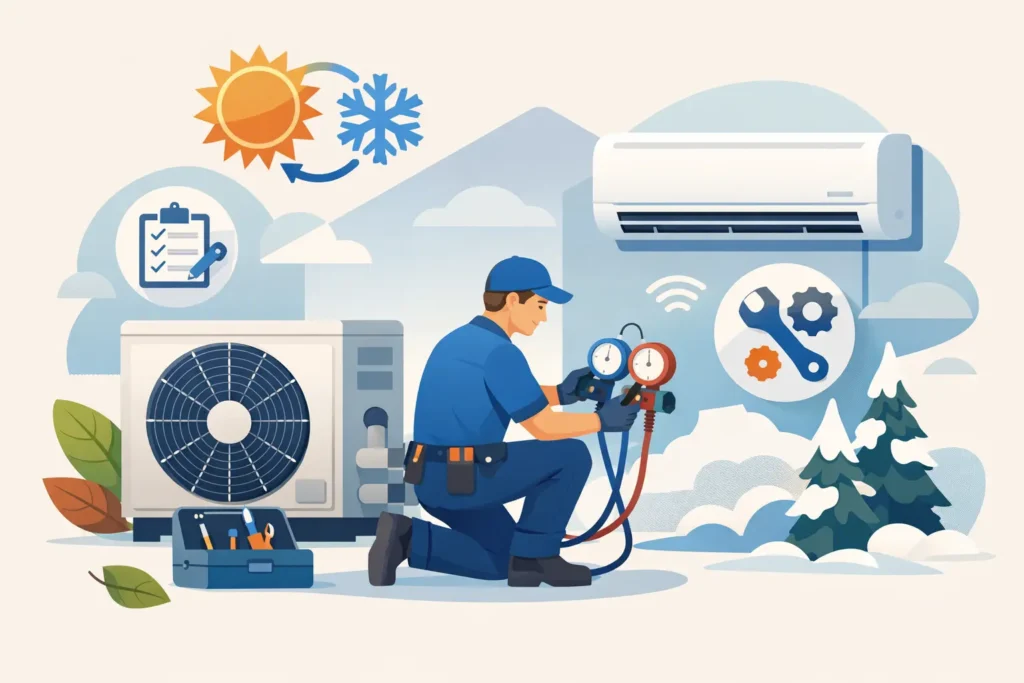
When a Texas summer hits early or a cold front rolls through faster than expected, your HVAC system does not get much warning. That is why a solid guide to seasonal HVAC tuneups matters for homeowners in Georgetown and nearby communities. A tuneup is not just a box to check. It is one of the simplest ways to catch wear early, keep energy bills from climbing, and avoid the kind of breakdown that shows up on the hottest or coldest day of the season.
For most homes, seasonal maintenance means having your cooling system checked in spring and your heating system checked in fall. In Central Texas, where air conditioners work hard for long stretches, the cooling side often gets the most attention. Still, your heating equipment needs care too, especially if you want safe and reliable performance when temperatures drop.
Why seasonal HVAC tuneups matter
HVAC systems rarely fail all at once without warning. More often, performance slips little by little. Airflow gets weaker, the system runs longer, rooms cool unevenly, or utility costs creep up. Homeowners tend to notice the bill before they notice the cause.
A tuneup helps spot those smaller issues before they become expensive repairs. Dirty coils, loose electrical connections, clogged drains, low refrigerant, worn capacitors, and blocked filters can all affect performance. Left alone, small problems put extra strain on the system. That strain can shorten equipment life and increase the chances of a mid-season failure.
There is also the comfort factor. A system that has been inspected and adjusted is more likely to cool evenly, heat consistently, and maintain the temperature you set. That matters in family homes where one room always seems warmer than the others or where the system struggles in the late afternoon.
A homeowner’s guide to seasonal HVAC tuneups
A tuneup is more than a quick glance at the unit. A proper visit should involve inspection, cleaning, testing, and adjustment. The exact checklist can vary based on the system type, age, and condition, but the goal stays the same – make sure the equipment is operating safely and efficiently.
For air conditioning, a technician will typically check refrigerant levels, inspect the condenser and evaporator components, test electrical parts, examine the condensate drain, measure airflow, and look for signs of wear. If the outdoor unit is packed with dirt or debris, that alone can reduce efficiency.
For heating, the focus depends on whether you have a furnace or a heat pump. Gas furnaces need attention to burners, ignition, safety controls, and heat exchangers. Heat pumps need inspection of reversing components, refrigerant operation, and defrost cycles. In either case, the technician should also evaluate the thermostat, filter condition, and overall system performance.
That does not mean every tuneup finds a major issue. Sometimes the visit confirms that your system is in good shape. That peace of mind is part of the value. It is far better to learn that your equipment is ready for the season than to wait and hope.
What gets checked during spring and fall service
Spring tuneups focus on cooling performance because your AC is about to carry the load for months. In Georgetown, Round Rock, Hutto, Jarrell, and Leander, that load is not light. The AC often starts working hard well before summer officially begins.
During spring service, technicians usually inspect the outdoor condenser, clean coils as needed, test capacitors and contactors, verify refrigerant performance, inspect drain lines, and check blower operation. They may also measure temperature split and static pressure to identify airflow issues. If your system has been running with a dirty filter or a partially blocked drain, spring is the right time to catch it.
Fall service turns to the heating side. Even though winters in Central Texas are milder than in some parts of the country, cold snaps still put stress on systems that have sat idle for months. Heating tuneups often include testing startup cycles, checking safety controls, inspecting gas connections where applicable, and making sure the system can respond properly when you need it.
If your home uses a heat pump year-round, both visits still matter. The same equipment handles heating and cooling, but the operating conditions shift with the season. A tuneup helps make sure it is ready for both.
Signs your system may need attention sooner
Seasonal service is the baseline, but some systems need help before the calendar says it is time. If your AC is running constantly, blowing warm air, or creating hot spots around the house, something may already be off. The same goes for strange noises, musty smells, frequent cycling, or water collecting near the indoor unit.
Heating systems have their own warning signs. If you notice delayed startup, cool air during a heating cycle, a burning smell that does not go away, or an unusual spike in energy use, it is smart to schedule service sooner rather than later.
Older systems deserve extra attention. Equipment that is more than 10 years old can still perform well, but age increases the odds of worn parts and efficiency loss. Homes with pets, heavy dust, remodeling activity, or inconsistent filter changes may also need more frequent maintenance because buildup happens faster.
What homeowners can do between tuneups
Professional service handles the technical side, but homeowners play a big part in system performance too. Filter changes are the big one. A clogged filter restricts airflow and forces the system to work harder. For many homes, checking the filter monthly and replacing it as needed is the simplest way to protect the equipment.
Keeping the area around the outdoor unit clear also helps. Leaves, grass, weeds, and stored items can block airflow and reduce efficiency. Inside the home, make sure supply and return vents are open and not covered by furniture or rugs.
Thermostat settings matter as well, though there is some balance involved. Constantly adjusting the temperature up and down can make the system work harder in some situations. A steady, reasonable setting usually supports better comfort and efficiency.
What homeowners should not do is try to diagnose refrigerant issues, electrical problems, or burner concerns on their own. HVAC systems include components that need trained handling. A tuneup is preventive service, but it is also a safety check.
The cost question and the real trade-offs
Some homeowners hesitate to schedule maintenance because they are trying to avoid extra expenses. That is understandable. A tuneup is a service appointment, and no one wants to spend money unnecessarily.
The trade-off is that skipping maintenance can cost more over time. A neglected system often uses more energy and is more likely to need repairs at the worst possible moment. That said, not every tuneup prevents every breakdown. Parts can still fail unexpectedly, especially on older equipment. Maintenance improves the odds of reliable performance, but it is not a guarantee against every repair.
There is also a practical difference between maintaining a newer high-efficiency system and an aging unit near replacement age. If your equipment is older and already needing frequent repairs, a tuneup may reveal that continued repair is becoming less cost-effective. That is useful information. Good service is not about pushing replacement when it is not needed. It is about helping you understand the condition of the system so you can make the right decision for your home.
Choosing the right timing for a seasonal tuneup
The best time to schedule service is before peak demand arrives. Spring appointments are ideal before the first long stretch of hot weather. Fall appointments should happen before the first cold snap. Waiting until the system is already struggling usually means you are no longer doing preventive maintenance. You are reacting to a problem.
Early scheduling also gives you more room to address repairs if a technician finds one. If a capacitor is weak, a drain line is close to clogging, or the blower is showing signs of wear, you can fix it before the system is under full seasonal stress.
For homeowners who want a straightforward plan, one cooling tuneup in spring and one heating tuneup in fall is a smart rhythm. If your system runs year-round, your home has comfort issues, or your equipment is older, regular service becomes even more valuable.
A dependable local company like Neal HVAC can help you stay ahead of those seasonal surprises, but the bigger point is simple: your system works better when it is not ignored. A tuneup gives you a clearer picture of what your HVAC equipment needs now, before your home comfort turns into an urgent repair call. The best time to think about heating and cooling is when everything still seems to be working fine.