When to Replace Air Conditioner at Home
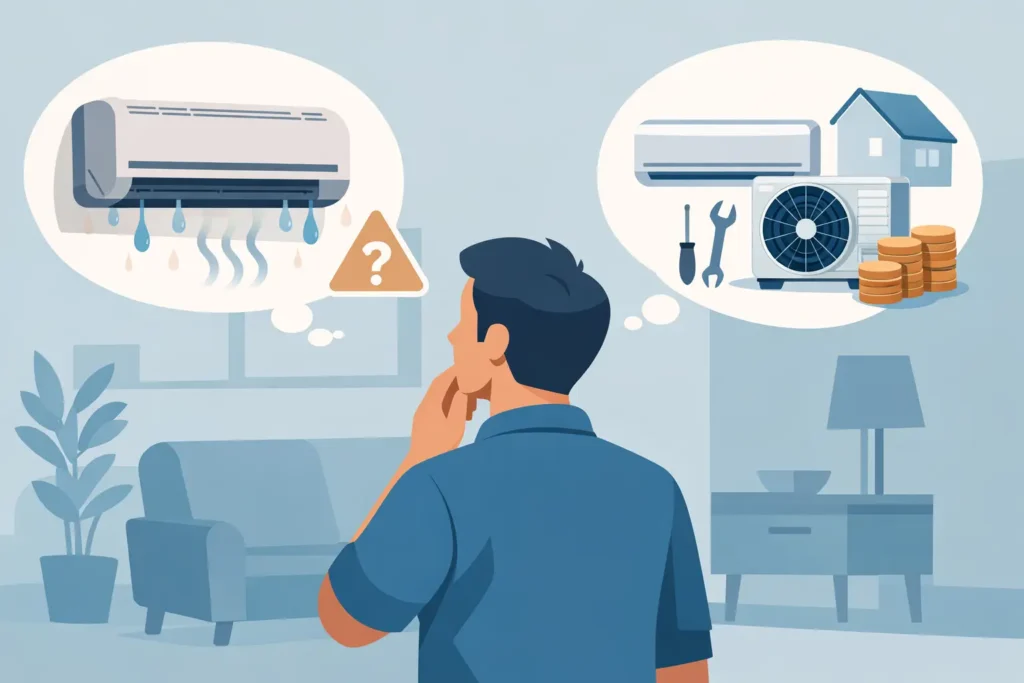
A repair bill always seems to show up at the worst time – usually during the hottest stretch of a Georgetown summer, when your AC has no room for error. If you are wondering when to replace air conditioner equipment instead of paying for one more repair, the answer usually comes down to age, performance, energy use, and how often the system is letting you down.
For many homeowners, this decision is not really about one broken part. It is about whether the system is still dependable. In Central Texas, your air conditioner works hard for a long season, and an older unit can go from “still running” to “not worth keeping” faster than expected.
When to replace air conditioner systems
Most residential air conditioners last around 10 to 15 years, although maintenance, installation quality, and usage all affect that range. A well-maintained system may last longer, but age still matters. Once your unit moves past the 12-year mark, replacement becomes a more serious conversation, especially if repairs are starting to pile up.
That does not mean every older system should be replaced immediately. Some units continue to cool reasonably well with only minor service. But if your AC is older and showing multiple signs of decline at the same time, replacement is often the better long-term value.
Signs your air conditioner is nearing the end
One repair does not automatically mean it is time for a new system. What matters is the pattern. If your air conditioner has become unpredictable, expensive to run, or unable to keep your home comfortable, those are stronger warning signs than a single breakdown.
Your AC is more than 10 to 15 years old
Age is one of the clearest indicators. Older systems are less efficient than newer models, and parts can become harder to find. Even if the unit still turns on, it may be working much harder than it used to.
This is especially true in homes where the AC runs for long stretches through spring, summer, and early fall. In a Central Texas climate, years of heavy use can wear down major components faster than homeowners expect.
Repairs are becoming frequent
If you have had to schedule service multiple times in the past year or two, the cost of keeping the old system alive may start to outweigh the cost of replacement. Capacitors, contactors, and drain issues are one thing. Repeated compressor problems, coil leaks, or recurring electrical issues point to a bigger reliability problem.
A common rule of thumb is to compare the repair cost against the age of the unit and the likelihood of another failure soon after. If the next repair feels less like a fix and more like a temporary patch, replacement deserves a serious look.
Energy bills keep climbing
Sometimes homeowners do not notice AC decline in airflow or temperature first. They notice it on the utility bill. If your usage habits have not changed much but your cooling costs keep rising, your system may be losing efficiency.
That drop in efficiency can come from normal wear, dirty coils, aging motors, refrigerant issues, or outdated equipment design. Some of those problems can be corrected, but on an older system, paying to restore performance does not always make financial sense.
Your home is not cooling evenly
If some rooms feel comfortable while others stay warm, your system may no longer be distributing air effectively. Uneven cooling can also relate to ductwork, insulation, or thermostat issues, so this is one of those situations where it depends.
Still, if your AC is older and struggling to maintain a consistent indoor temperature, replacement may solve a comfort problem that repairs only partially address. Newer systems often provide better airflow control, improved humidity management, and more consistent cooling overall.
It uses R-22 refrigerant
If your older system uses R-22 refrigerant, replacement is often the smarter path when major refrigerant-related repairs come up. R-22 has been phased out, which makes it more expensive and less practical to work with over time.
That does not mean an R-22 system has to be replaced the moment you learn what refrigerant it uses. But if it develops a leak or needs a major sealed-system repair, investing in an aging unit with outdated refrigerant usually has limited upside.
It runs constantly or short cycles
An AC that seems to run all day without catching up is telling you something. So is a system that starts and stops too often. Constant running can signal a loss of cooling capacity, while short cycling may point to electrical issues, sizing problems, or component failure.
Either pattern puts stress on the equipment and usually leads to reduced efficiency. If these issues keep happening even after service, replacement may be the more reliable fix.
Repair or replace? The real decision
Homeowners usually want a straight answer, but this is where some nuance matters. Not every repair on an aging system is a waste of money. If your unit is 8 years old, has been well maintained, and needs a moderate repair, fixing it may be perfectly reasonable.
The case for replacement gets stronger when three things are true at once: the system is older, the repair is expensive, and comfort or efficiency has already been declining. If you are putting money into a unit that still leaves the house warm and the bills high, replacement starts to look less like a big expense and more like a better use of your budget.
Some homeowners also plan around timing. Replacing before a total failure gives you more room to compare options and avoid an emergency decision during peak summer heat. Waiting until the system quits can force a rushed choice when comfort is already compromised.
Why replacement can make sense before total failure
A lot of people assume they should keep the AC until it completely stops working. That sounds practical, but it is not always the most cost-effective approach. Systems often decline gradually. They may still cool the home, but not efficiently, not evenly, and not reliably.
Replacing early can reduce the chance of a midsummer breakdown, lower monthly energy costs, and improve day-to-day comfort. It can also help homeowners avoid putting significant money into a system that is already near the end of its service life.
This is especially relevant for families, older adults, and households with pets or health concerns. In a Texas summer, dependable cooling is not a luxury. It is part of keeping the home safe and livable.
What to expect from a newer system
Today’s air conditioners are generally more efficient than systems installed 10 to 15 years ago. Depending on what you have now, a new unit may cool more consistently, remove humidity better, and operate more quietly.
That does not mean every replacement delivers the same results. Proper sizing and installation matter just as much as the equipment itself. A high-efficiency unit will not perform the way it should if it is oversized, undersized, or installed without attention to airflow and duct conditions.
That is why a replacement decision should be based on your home, your current system, and your comfort needs – not just the sticker on a new unit.
When to replace air conditioner units in Central Texas
Local climate matters. In Georgetown, Round Rock, Hutto, Jarrell, Leander, and nearby areas, air conditioners face long cooling seasons and intense summer demand. That extra workload can shorten the practical life of a system compared to cooler parts of the country.
For that reason, homeowners here often benefit from evaluating older systems before the hottest part of summer arrives. If your AC has been showing signs of strain during milder weather, it is unlikely to perform better once triple-digit temperatures hit.
A trusted local company like Neal HVAC can inspect the system, explain whether repair still makes sense, and give you a clear recommendation based on condition rather than guesswork. That kind of honest assessment matters when you are deciding between one more repair and a full replacement.
A few questions worth asking
If you are on the fence, ask yourself a few practical questions. Has the system become unreliable? Are your energy bills creeping up? Is your home less comfortable than it used to be? Would another major repair feel like money well spent, or just money spent?
Those answers usually point in the right direction. Homeowners rarely regret replacing a failing system once the new one is in place and the house feels comfortable again. What they often regret is waiting through repeated repairs, rising bills, and another summer of uneven cooling.
If your air conditioner is aging, struggling, or costing more than it should, the right time to act may be before it leaves you without cool air on the hottest day of the year.