Maintenance for HVAC Systems That Pays Off
If your AC quits in August in Georgetown, it does not feel like a small home issue. It feels urgent. That is why maintenance for HVAC systems matters most before something goes wrong. A little attention at the right time can help your system run better, last longer, and avoid the kind of surprise repair that always seems to happen on the hottest or coldest day of the year.
For homeowners in Central Texas, heating and cooling equipment works hard for a big part of the year. Long cooling seasons, heat spikes, dust, and normal wear can all take a toll. Regular service is not about overcomplicating your system. It is about keeping a major part of your home dependable.
Why maintenance for HVAC systems matters
Most HVAC problems do not start as emergencies. They start small. A clogged filter restricts airflow. A dirty outdoor unit struggles to release heat. A loose electrical connection causes inconsistent operation. Left alone, those smaller issues can lead to higher utility bills, uneven temperatures, short cycling, and eventually a breakdown.
Routine maintenance helps catch those problems early. It also gives a technician a chance to inspect parts that homeowners do not usually see, including electrical components, refrigerant-related performance issues, drain lines, blower parts, and safety controls. In many cases, a maintenance visit is less about fixing what is broken today and more about preventing what will fail next month.
There is also a comfort factor that gets overlooked. A well-maintained system usually cools more evenly, starts and stops the way it should, and puts less strain on major components. You may not notice every technical detail, but you will notice when your home feels more stable and your system is not constantly running.
What HVAC maintenance usually includes
A proper maintenance visit should go beyond changing a filter and giving the unit a quick look. The exact scope depends on the age and type of equipment, but professional service generally includes inspection, cleaning, testing, and performance checks.
On the cooling side, that often means checking the condenser coil, inspecting refrigerant performance, testing capacitors and contactors, measuring airflow, cleaning or clearing the condensate drain, and looking for signs of wear in the blower assembly. For heating equipment, maintenance may include checking burners, inspecting the heat exchanger, testing ignition components, verifying safe operation, and confirming the thermostat is communicating correctly.
Not every home needs the same level of service. A newer system may need fewer corrections but still benefits from regular inspection. An older unit may need closer attention because normal wear starts showing up in more places. That is where experience matters. A trained technician can tell the difference between a system that simply needs cleaning and one that is starting to show signs of bigger trouble.
The homeowner tasks that actually help
There are a few things homeowners can do between service visits, and they make a real difference. The biggest one is replacing the air filter on schedule. In many homes, that means every one to three months, but it depends on the filter type, pets, indoor air quality, and how often the system runs.
Keeping vents open and unblocked also helps airflow. Furniture, rugs, and closed registers can create pressure issues that make your system work harder than it should. Outside, it is smart to keep leaves, grass, and debris away from the condenser so the unit has room to breathe.
That said, there is a limit to DIY maintenance. Homeowners can handle basic upkeep, but electrical testing, refrigerant concerns, motor issues, and deeper performance diagnostics should be left to a professional. HVAC systems are not a good place for guesswork.
Signs your system may be overdue for service
Sometimes homeowners wait for a full breakdown before scheduling help. More often, the system gives warning signs first. You may notice the house takes longer to cool, some rooms stay warmer than others, or the unit turns on and off more often than it used to.
Higher energy bills can also point to maintenance issues, especially if your usage habits have not changed. Strange sounds, musty odors, weak airflow, and water around the indoor unit are all worth attention. None of those symptoms automatically means major repair is needed, but they do mean your system should be checked.
Older equipment deserves even more caution. Once a system gets into its later years, wear becomes less predictable. Maintenance can still help, but there is a point where frequent service visits and repeated repairs may signal that replacement deserves a serious conversation.
Timing matters in Central Texas
In this part of Texas, spring and fall are usually the best times to schedule routine maintenance. Spring service helps prepare your AC for the heavy cooling season ahead. Fall service gives your heating system a check before colder weather arrives.
The reason timing matters is simple. It is easier to address small issues when your system is not under peak demand. If a part is wearing out or airflow is already restricted, that problem becomes much more obvious when the temperature outside is extreme. Preventive service gives you a better chance of handling it early.
This is especially important for households with children, older family members, or anyone sensitive to heat. When comfort is tied closely to health and daily routine, dependable HVAC performance is not just convenient. It is part of keeping the home safe and manageable.
Maintenance for HVAC systems and long-term cost
Some homeowners put off maintenance because they want to save money now. That is understandable. But HVAC service is usually one of those areas where delaying small costs can create larger ones.
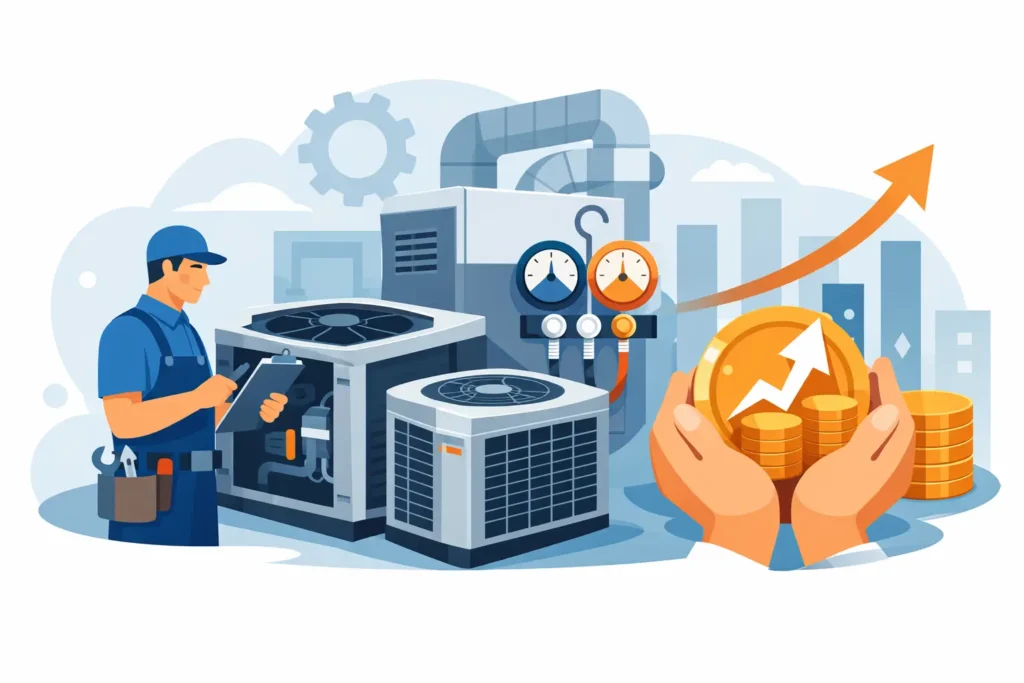
A neglected system often runs longer to reach the same temperature. That can push up monthly utility costs. Dirt buildup, poor airflow, and weak electrical components all reduce efficiency. Over time, the added strain can shorten the life of expensive parts like compressors and blower motors.
Maintenance does not guarantee that a repair will never happen. Any mechanical system can fail. But regular service does improve the odds that your equipment will operate more efficiently and with fewer unexpected problems. That trade-off makes sense for many homeowners, especially when replacing a central HVAC system is a major investment.
When maintenance is enough and when it is not
There is an important difference between a system that needs maintenance and a system that is simply worn out. If your equipment is relatively new, has a solid service history, and has not needed frequent repairs, maintenance can go a long way. Cleaning, tuning, and minor adjustments may restore performance and improve reliability.
If your unit is older, struggles every summer, or needs repair after repair, maintenance may only buy limited time. In those cases, the better question is not just how to keep it running today. It is whether continued spending still makes sense compared with replacement.
A trustworthy HVAC company will be honest about that. Sometimes the right answer is service. Sometimes the right answer is planning ahead for a new system before you are forced into a rushed decision during extreme weather.
Choosing a local company for HVAC maintenance
When you invite someone to work on your home’s heating and cooling system, you want clear communication, dependable scheduling, and practical recommendations. That is one reason many homeowners prefer a local company over a large chain. Local service tends to be more personal, and there is real value in working with a team that understands the climate and common system issues in Georgetown, Round Rock, Hutto, Jarrell, Leander, and nearby communities.
A good maintenance provider should explain what they found, what needs attention now, and what can reasonably wait. That kind of straightforward communication matters. Homeowners should not feel pressured into unnecessary work, and they should not be left guessing about the condition of their system.
At Neal HVAC, that local, service-first approach is part of the job. Homeowners want their system handled by people who show up, communicate clearly, and treat comfort like a priority instead of just another appointment.
The best time to think about HVAC maintenance is when your system still seems to be working fine. That is usually when service does the most good. If your heating or cooling has been running harder than it should, making unusual noises, or costing more to operate, getting it checked now can save stress later and help keep your home comfortable when you need it most.