Why HVAC Maintenance Is Important
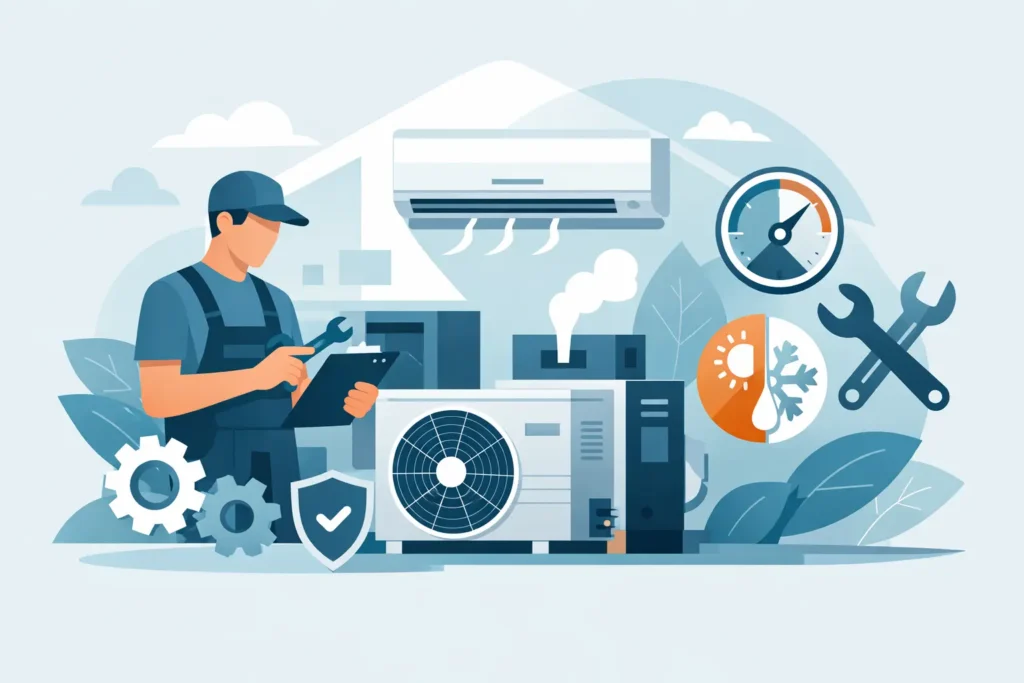
When your AC quits in the middle of a Georgetown summer, HVAC maintenance stops feeling optional. That is usually when homeowners start asking why HVAC maintenance is important in the first place, and the answer is simple: it helps you avoid expensive surprises, keeps your home comfortable, and gives your system a better chance to last.
For most families, heating and cooling equipment runs quietly in the background until something goes wrong. But your HVAC system is one of the hardest-working parts of your home. In Central Texas, where long cooling seasons put serious strain on air conditioners, small issues can turn into breakdowns faster than many homeowners expect.
Why HVAC Maintenance Is Important for Homeowners
Regular maintenance protects more than the equipment itself. It protects your comfort, your utility budget, and your time. A system that is cleaned, inspected, and adjusted on schedule is generally more dependable than one that only gets attention after it stops working.
That matters because HVAC problems rarely happen at convenient times. They tend to show up during the hottest or coldest stretches of the year, when your system is already under the most stress. Preventive service helps catch worn parts, airflow restrictions, drainage problems, and electrical concerns before they become emergency calls.
Maintenance also helps keep performance steady. If your home has rooms that never seem to cool evenly, rising energy bills, or a system that runs longer than it used to, those are often signs that something is off. It may not always mean a major repair is needed. Sometimes it is a dirty coil, a clogged filter, a refrigerant issue, or a failing component that can be addressed earlier and at a lower cost.
Lower Energy Bills Start With a Cleaner, Healthier System
One of the biggest reasons homeowners stay on top of service is energy efficiency. HVAC systems lose efficiency over time when dirt builds up, parts wear down, and airflow gets restricted. Even a minor issue can force the system to work harder to produce the same result.
When the system has to run longer, your electric bill usually reflects it. In a place like Round Rock, Hutto, Jarrell, Leander, or Georgetown, where the AC may run for much of the year, those added costs can stack up quickly.
A well-maintained system has a better chance of operating the way it was designed to operate. That does not mean maintenance turns an older unit into a brand-new high-efficiency system. If equipment is already near the end of its life, there may still be limits to how much improvement you will see. But maintenance often helps reduce unnecessary strain and waste, which is a meaningful win for most households.
Fewer Repairs and Less Risk of a Full Breakdown
Most major HVAC failures do not come completely out of nowhere. There are often warning signs first, even if they are easy to miss. Loose electrical connections, worn capacitors, clogged condensate drains, dirty evaporator coils, and weak airflow may start as manageable problems. Left alone, they can lead to a no-cool call or even damage to larger components.
That is one of the clearest answers to why HVAC maintenance is important. It creates a chance to spot trouble while the repair is still relatively small. Replacing a worn part during a maintenance visit is usually far easier than dealing with a system that shuts down on a 100-degree afternoon.
There is also a practical side to timing. During peak summer and winter demand, appointment availability can get tighter across the industry. Preventive maintenance helps reduce the odds that you will need urgent service when everyone else does too.
Better Comfort Throughout the House
Homeowners often think of maintenance in terms of avoiding repairs, but comfort is just as important. Your HVAC system is not only supposed to turn on. It is supposed to keep the house at a consistent, livable temperature.
If airflow is weak, filters are dirty, coils are blocked, or controls are not operating properly, the system may struggle to cool or heat your home evenly. You might notice one bedroom staying warm, the living room feeling humid, or the system running constantly without quite catching up.
Routine service helps correct those performance issues before they become normal. It can also reveal when the problem is not basic maintenance at all. Sometimes uneven temperatures point to ductwork issues, insulation gaps, thermostat placement, or an aging system that no longer fits the home well. That is where an honest service company matters. Homeowners need clear guidance, not guesswork.
Longer Equipment Life, With Realistic Expectations
Replacing an HVAC system is a major home expense. Most homeowners want to get as many reliable years as possible out of the equipment they already have. Maintenance helps support that goal.
When moving parts are checked, electrical components are inspected, and buildup is removed, the system does not have to fight through the same level of wear. Less strain over time can help extend service life.
Still, this is one area where it helps to be realistic. Maintenance is not a guarantee that a system will never fail, and it cannot stop age altogether. An older AC or furnace may still need repair or replacement even if it has been serviced regularly. What maintenance does is improve the odds. It gives the equipment a better operating environment and reduces the kind of neglect that shortens its lifespan.
Indoor Air Quality Matters Too
Your HVAC system affects more than temperature. It also plays a role in the air moving through your home. Dirty filters, dust buildup, moisture issues, and poor airflow can all affect indoor air quality.
For some households, that is more than a comfort issue. Families with allergies, asthma, or general sensitivity to dust may notice when the system is not moving air properly. While maintenance is not a cure-all for indoor air quality concerns, it can help keep the system cleaner and support healthier airflow.
It is also important for moisture control. In cooling season, your AC helps remove humidity from the air. If the system is not draining correctly or is not operating efficiently, the house may feel damp or muggy even when the thermostat says the temperature is fine. In Central Texas, that can make a home feel far less comfortable than it should.
Maintenance Helps You Plan Instead of React
A lot of homeowners put off HVAC service because the system seems to be working fine. That is understandable. If cool air is coming out of the vents, maintenance can feel easy to postpone.
The problem is that HVAC systems often keep running while efficiency drops and parts wear down. By the time the issue becomes obvious, the repair may be bigger and more disruptive. Regular service gives you a clearer picture of your system’s condition so you can plan ahead.
That might mean budgeting for a repair, monitoring an aging unit through one more season, or deciding when replacement makes more sense than continued fixes. There is value in knowing where you stand. It is much better than being forced into a quick decision after a total failure.
For homeowners who want dependable local support, that ongoing relationship can make a difference. Companies like Neal HVAC build trust by helping families stay ahead of problems rather than only showing up when things have already gone wrong.
What Maintenance Usually Includes
Professional HVAC maintenance typically involves inspecting key components, cleaning buildup that affects performance, testing system operation, checking airflow, and looking for signs of wear or safety concerns. The exact details can vary depending on whether the system is an air conditioner, heat pump, or furnace.
It is not just a quick filter glance. A proper service visit is meant to evaluate how the system is functioning as a whole. That matters because HVAC performance is connected. A dirty coil can affect efficiency, poor airflow can stress components, and an unnoticed drain issue can create water damage risks.
Homeowners can still help between visits by changing filters regularly, keeping the outdoor unit clear of debris, and paying attention to unusual sounds or performance changes. But professional maintenance adds the technical inspection most homeowners are not equipped to do on their own.
A comfortable home usually depends on the things you do before there is a problem, not after. If your system has been running hard through the Texas heat or you cannot remember the last time it was checked, this is a good time to give it the attention it deserves.