
Heat Pump vs Furnace: Which Fits Your Home?
If your current heating system is getting older, making strange noises, or struggling on cold mornings, the heat pump vs furnace question gets real fast. For homeowners in Georgetown and across Central Texas, the right answer is not always the same from one house to the next. It depends on your home, your budget, your comfort preferences, and how your system handles both heating and cooling through our long, hot summers and shorter winter cold snaps.
A lot of homeowners assume a furnace is the standard choice for heat, while a heat pump sounds like a newer option. In reality, both can be smart choices. The key is understanding how each system works and where each one makes the most sense.
Heat Pump vs Furnace: The Basic Difference
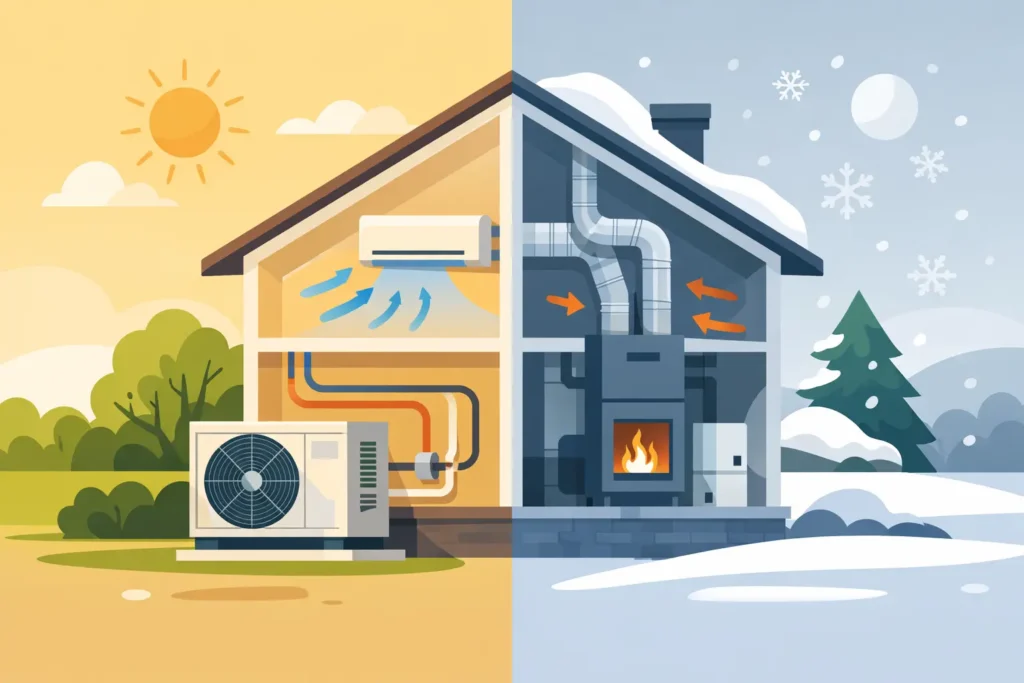
A furnace creates heat. Depending on the setup, it burns gas or uses electric resistance heating, then pushes warm air through your ductwork. When temperatures drop, a furnace is built to deliver strong, fast heat.
A heat pump works differently. It does not generate heat in the same way. Instead, it moves heat from one place to another. In cooling season, it pulls heat out of your home like a standard air conditioner. In heating season, it pulls heat from outdoor air and moves it indoors. That means one system can handle both heating and cooling.
For Central Texas homeowners, that difference matters. Since our winters are usually mild compared to northern states, heat pumps often perform very well here. But that does not automatically make them the best fit for every home.
How Each System Feels Day to Day
Home comfort is about more than indoor temperature on a thermostat. It is also about how the heat feels, how evenly it moves through the house, and how quickly the system responds.
A furnace usually produces hotter supply air. When it turns on, you may feel a stronger burst of warm air coming through the vents. Many homeowners like that because the house warms up quickly, especially during a chilly morning.
A heat pump typically delivers air that feels milder. It is still warm enough to heat the home, but it may not feel as hot when you stand near a vent. That can surprise people who are used to furnace heat, even when the system is working exactly as it should. The benefit is often steadier operation and more even indoor temperatures.
If you want strong, quick heating, a furnace may feel more familiar. If you prefer more consistent, efficient comfort and like the idea of one system handling both summer and winter, a heat pump can be very appealing.
What Works Best in Central Texas
The local climate changes the conversation. In colder parts of the country, furnaces often have the edge because they can keep up more easily during long stretches of freezing weather. In Georgetown, Round Rock, Hutto, Jarrell, and Leander, winters are usually not severe enough to create that same challenge.
That makes heat pumps a practical option for many homes in this area. They are especially attractive when energy efficiency is a high priority and when the home already has compatible ductwork and electrical capacity.
Still, there are trade-offs. During the coldest periods, some heat pumps rely on auxiliary heat to maintain indoor comfort. That backup heat can increase energy use. A gas furnace, on the other hand, can provide dependable heating power even during sharper temperature drops.
This is where local experience matters. The best recommendation is based on your actual home, not a national average or a generic online chart.
Cost Differences: Upfront and Over Time
When comparing a heat pump vs furnace, cost is usually one of the first concerns. There are really two cost categories to think about: installation cost and operating cost.
Upfront pricing varies based on system size, efficiency rating, ductwork condition, electrical requirements, and whether you are replacing only part of the system or doing a full upgrade. In some cases, a furnace replacement may come in at a lower initial cost, especially if the home already has the supporting gas infrastructure and a separate air conditioning system in place.
A heat pump can cost more or less depending on the project scope. If you are replacing both heating and cooling equipment at once, a heat pump may offer strong value because it combines those functions in one system.
Operating cost is where things shift. Because heat pumps move heat rather than create it, they can be very energy efficient in mild climates. That often translates to lower winter heating costs compared to electric resistance heat, and sometimes compared to other options depending on utility rates.
Furnace operating costs depend heavily on fuel type and local utility pricing. A gas furnace may be economical for some households, but it will not cool your home, so you still need an air conditioner as a separate system.
Efficiency Is Not the Same as Performance
Homeowners often hear that heat pumps are more efficient, and that is generally true in the right conditions. But efficiency is only one part of the decision.
A highly efficient system that is poorly matched to the home will not deliver the comfort or value you expect. Equipment sizing, insulation levels, duct condition, air leakage, thermostat settings, and maintenance all affect real-world performance.
That is why the better question is not simply which system is more efficient. It is which system is the better fit for your home and usage patterns. A smaller, well-designed upgrade can outperform a more expensive system that was selected without careful evaluation.
Maintenance and Repair Considerations
Both furnaces and heat pumps need regular maintenance. Filters need to be changed, airflow needs to stay clear, and components need periodic inspection before peak season arrives.
A furnace has fewer year-round duties because it only handles heating. A heat pump works in both summer and winter, so it sees more total runtime. That does not mean it is a bad option. It just means maintenance matters even more if you want reliable performance and long equipment life.
Repair patterns also differ. Furnaces may involve burners, igniters, gas valves, or heat exchanger concerns, depending on the system. Heat pumps involve refrigerant components, defrost controls, reversing valves, and outdoor unit operation through multiple seasons.
Neither system is maintenance-free. The real advantage comes from staying ahead of problems instead of waiting for a breakdown during the hottest or coldest week of the year.
When a Furnace Makes More Sense
A furnace can be the better choice if your home already has natural gas service, you prefer the feel of hotter air from the vents, or you want stronger heating performance during colder weather. It may also make sense if your current setup already includes a separate air conditioner that is still in good shape and only the heating side needs replacement.
Some homeowners also choose a furnace because it matches what they have had for years and they know what to expect. There is value in familiarity when comfort and reliability are the priority.
When a Heat Pump Makes More Sense
A heat pump is often a strong fit in Central Texas because it can heat and cool efficiently in a climate with long cooling seasons and relatively moderate winters. It can be a smart choice if you are replacing both heating and cooling equipment, want lower energy use, or prefer an all-electric option.
It is also appealing for homeowners focused on long-term efficiency rather than only the lowest upfront price. In many homes, especially newer or well-insulated ones, a heat pump can provide very dependable comfort year-round.
The Best Choice Depends on the House
Two homes on the same street can need different solutions. Square footage, insulation quality, window exposure, duct layout, system age, and utility access all change what makes sense. That is why broad advice like heat pumps are always better or furnaces are always more reliable usually misses the mark.
A good HVAC recommendation starts with the home itself. It should account for comfort concerns you already have, whether certain rooms stay colder than others, how old the equipment is, and whether you are trying to reduce monthly energy bills or simply replace a failing system with minimal disruption.
For homeowners who want straightforward guidance, Neal HVAC approaches system recommendations the same way we handle service calls – by focusing on what will work best for your home, your comfort, and your budget.
If you are weighing a heat pump against a furnace, the right answer is the one that keeps your home comfortable without giving you surprises later. A clear evaluation now can save you money, stress, and a lot of second-guessing when the next cold front rolls into Central Texas.