Heating and Cooling Jarrell TX Homeowner Guide
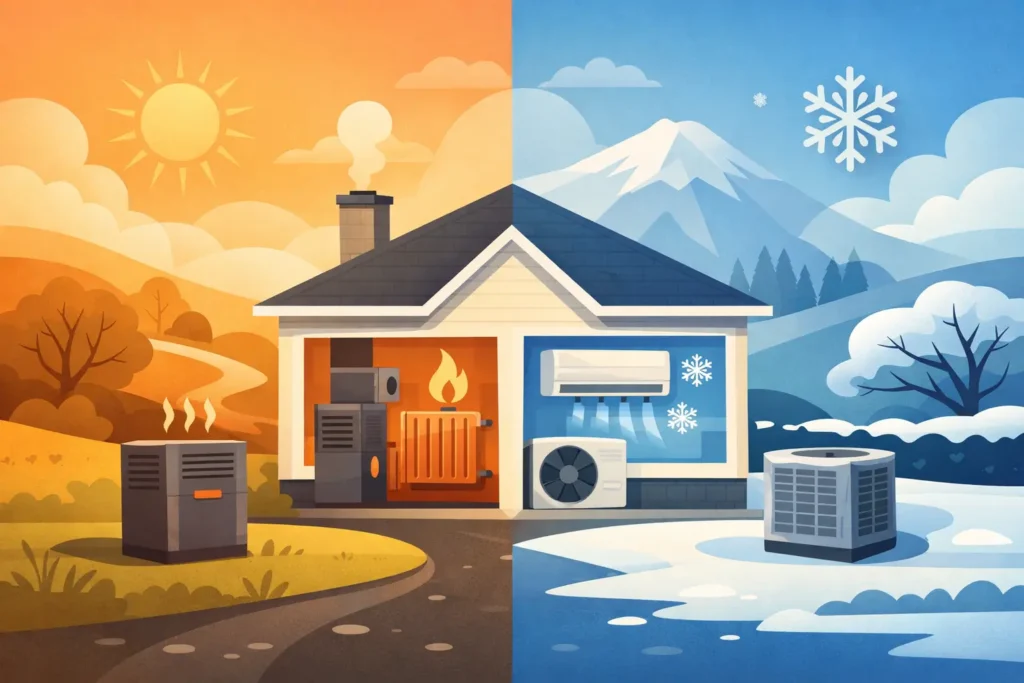
A Jarrell summer afternoon can turn a small AC problem into a house-wide comfort issue fast. For dependable heating and cooling Jarrell TX homeowners can count on, it helps to recognize early warning signs, keep up with seasonal maintenance, and know when a repair is no longer the best use of your money.
Your HVAC system works hard through long Central Texas cooling seasons, sudden spring temperature swings, and the colder stretches that arrive each winter. A little attention before equipment fails can protect your comfort, reduce surprise repair costs, and help your system run more efficiently when you need it most.
What Jarrell Weather Demands From Your HVAC System
In Jarrell, air conditioning is not a luxury for much of the year. Your system may run for long stretches during high heat, especially in homes with busy households, older windows, limited attic insulation, or rooms that get strong afternoon sun. That workload places pressure on major components such as the compressor, blower motor, electrical connections, and drain system.
Heating equipment matters, too. Central Texas winters are usually milder than those in other parts of the country, but overnight freezes and cold fronts still make reliable heat essential. A furnace or heat pump that has been ignored for several seasons may not show a problem until the first cold night when it is asked to run.
The right service plan depends on your equipment, its age, and how your home performs. A newer system with a minor issue may be a good candidate for repair. An older unit that struggles to cool evenly, needs frequent service, and raises utility costs may deserve a replacement conversation instead.
Signs Your Air Conditioner Needs Attention
Many AC problems start quietly. You may notice a bedroom that never feels as cool as the rest of the home, longer cooling cycles, or an electric bill that rises without a clear reason. These changes do not always mean your system has failed, but they are worth checking before the hottest part of the season.
Call for service if you notice any of these issues:
- Warm air coming from supply vents while the thermostat is set to cool
- Weak airflow in several rooms or little air moving from certain vents
- Water around the indoor unit, a clogged drain line, or repeated drain issues
- New grinding, buzzing, rattling, or squealing sounds during operation
- Frequent cycling, frozen refrigerant lines, or a system that will not keep up
A dirty filter can contribute to weak airflow and higher energy use, so replacing it is a sensible first step. If that does not correct the issue, professional diagnosis matters. HVAC symptoms can overlap. For example, poor cooling may involve airflow, a thermostat issue, electrical trouble, refrigerant concerns, or a failing part. A technician can identify the cause instead of guessing at a quick fix.
Do Not Wait for a Complete Breakdown
Waiting is understandable when the system is still producing some cool air. But an AC that runs constantly without reaching the set temperature can put extra strain on the equipment. Addressing a repair early may prevent a more serious failure during a heat wave, when your home needs cooling the most.
This is especially true if your system has a history of repairs. Keep a simple record of service visits, recurring symptoms, and changes in performance. It gives you a clearer picture of whether the system is experiencing a one-time issue or becoming increasingly unreliable.
Reliable Heating and Cooling in Jarrell TX Starts With Maintenance
Preventive maintenance is one of the practical ways to protect an HVAC investment. It is not a guarantee that a part will never fail, but it gives a trained technician the opportunity to spot wear, safety concerns, drainage issues, and declining performance before they become urgent problems.
For cooling equipment, a maintenance visit commonly focuses on system operation, airflow, electrical components, condensate drainage, refrigerant-related performance, and the outdoor unit. For heating equipment, service may include checking operation, safety controls, ignition components, airflow, and the condition of parts affected by normal use.
Spring is a smart time to schedule AC maintenance before Jarrell’s sustained heat arrives. Fall maintenance gives your furnace or heat pump attention before the first major cold front. If you have a heat pump, seasonal service is particularly helpful because the same equipment handles both heating and cooling.
Homeowners can support system performance between visits by changing filters on schedule, keeping outdoor equipment clear of leaves and overgrowth, and making sure supply and return vents are not blocked by furniture or rugs. These small steps cannot replace professional service, but they can reduce unnecessary strain.
Repair or Replace? Make the Decision With the Full Picture
A repair is often the right answer when the equipment is relatively new, the issue is isolated, and the system has otherwise been dependable. Replacing a part can restore comfort without the cost of a new installation.
Replacement deserves consideration when repair needs are becoming frequent, your system is near the end of its expected service life, or it cannot keep your home comfortable despite repeated work. Energy efficiency is also part of the decision. Older equipment may use more electricity than a properly selected modern system, but the best choice is not automatically the highest-efficiency model.
The system needs to fit your home. Oversized equipment can cool quickly but may cycle on and off too often, leaving humidity and uneven temperatures behind. Undersized equipment may run for long periods and struggle during peak summer heat. A proper recommendation should account for your home’s size, layout, insulation, windows, ductwork, comfort concerns, and budget.
Ask straightforward questions before approving a replacement: What problem is the new system expected to solve? Is the existing ductwork in good condition? What maintenance will the new equipment need? What warranty information applies? Clear answers help you compare options with confidence.
Consider Comfort, Not Only the Initial Price
The lowest installation price is not always the lowest long-term cost. Equipment quality, correct sizing, installation workmanship, and ongoing maintenance all affect how a system performs. At the same time, not every home needs the most expensive setup available.
A good HVAC conversation should be practical. If your current system is repairable and meeting your needs, repair may make sense. If it is causing repeat disruptions, high operating costs, and uneven comfort, investing in replacement can be the more predictable path forward.
When an HVAC Issue Is Urgent
Some situations should not wait for a convenient appointment. If your home has no cooling during dangerous heat, no heat during freezing weather, burning odors, repeated breaker trips, or signs of a gas-related concern, turn the system off when it is safe to do so and request professional help.
For gas furnaces, take unusual odors seriously. If you suspect a gas leak, leave the area, avoid operating electrical switches or open flames, and contact the appropriate emergency service or gas utility from a safe location. HVAC repairs should never come at the expense of household safety.
Choose a Local Team That Communicates Clearly
When you need service, you deserve more than a vague diagnosis and a rushed recommendation. Look for a local HVAC company that listens to the problem, explains the options in plain language, and treats your home with care. Whether the need is an AC repair, furnace maintenance, seasonal tune-up, or a full system replacement, clear communication makes the process easier.
Neal HVAC has served Central Texas homeowners since 2009 with dependable residential heating and cooling service, including Jarrell. The goal is simple: help you make an informed decision, restore reliable comfort, and keep your equipment working as it should.
If your system is making new noises, failing to keep rooms comfortable, or simply due for seasonal care, do not wait for the next weather extreme to force the issue. A timely inspection and a straightforward conversation can give your household a more comfortable season ahead.