Homeowner Guide to AC Installation
When your AC starts losing ground in a Texas summer, the decision to replace it can go from “maybe next year” to “we need answers now” in a hurry. This homeowner guide to AC installation is built for that moment – when you want clear information, realistic expectations, and a system that keeps your home comfortable without surprises.
In Georgetown, Round Rock, Hutto, Jarrell, Leander, and nearby areas, AC installation is not just about putting in a new unit. It is about matching your home, your budget, and your cooling needs to equipment that can handle long stretches of heat. A good installation should solve a problem for years, not create a new one after one season.
When AC Installation Makes More Sense Than Repair
Most homeowners do not start by wanting a new system. They start by wanting the old one to work again. Sometimes a repair is the smart call, especially if the unit is newer, the issue is isolated, and the repair cost is reasonable.
But there is a point where continued repairs stop being the practical choice. If your system is 10 to 15 years old, cooling unevenly, running longer than it used to, or causing energy bills to climb, replacement often deserves a serious look. The same goes for units that use outdated refrigerant or need expensive major component repairs.
The hard part is that there is no single rule that fits every home. A system with years left in it may still be worth repairing. Another may technically run but struggle so much that replacement is the better investment. The right answer depends on age, condition, repair history, and how reliably the system is keeping up with your household.
A Homeowner Guide to AC Installation Starts With Sizing
One of the biggest mistakes in AC installation is choosing equipment based on square footage alone. Size matters, but it is only part of the picture. Your home’s insulation, window placement, ceiling height, duct condition, sun exposure, and air leakage all affect how much cooling capacity you actually need.
A system that is too small will run constantly and still have trouble keeping you comfortable. A system that is too large can cool the house too quickly, shut off too soon, and leave humidity behind. That short cycling also puts extra wear on the equipment.
This is why a proper evaluation matters. Homeowners sometimes assume bigger means better, especially after a few brutal summers, but oversized equipment can create a different set of comfort problems. The goal is not maximum tonnage. The goal is balanced, efficient cooling for your specific home.
What Type of System Are You Installing?
For most Central Texas homes, the decision is between replacing a central air conditioning system, replacing both the indoor and outdoor components as a matched system, or upgrading to a higher-efficiency setup. In some cases, a heat pump may also make sense, especially for homeowners looking for year-round heating and cooling in one system.
Matched systems usually offer the best overall performance. Keeping an older indoor coil with a new outdoor unit may look less expensive at first, but it can limit efficiency, affect reliability, and reduce the performance you expected from the replacement.
Higher-efficiency equipment can lower monthly utility costs, but the best value depends on how long you plan to stay in the home, how high your current energy use is, and how much cooling demand your household puts on the system. The most efficient option is not automatically the best option for every budget.
What Impacts AC Installation Cost?
Homeowners usually want one number, but installation cost is shaped by several moving parts. Equipment efficiency, system size, ductwork condition, thermostat upgrades, electrical needs, and the complexity of the installation all affect pricing.
If your ductwork leaks, is undersized, or has airflow restrictions, replacing the equipment alone may not fix your comfort issues. That can add to the project scope, but it can also keep you from spending good money on a new system that still underperforms.
Labor quality matters too. A lower quote is not always a lower total cost if the job cuts corners on sizing, airflow, refrigerant charge, or startup testing. AC installation is one of those home projects where the quality of the work matters just as much as the brand on the equipment.
What to Expect During the Installation Process
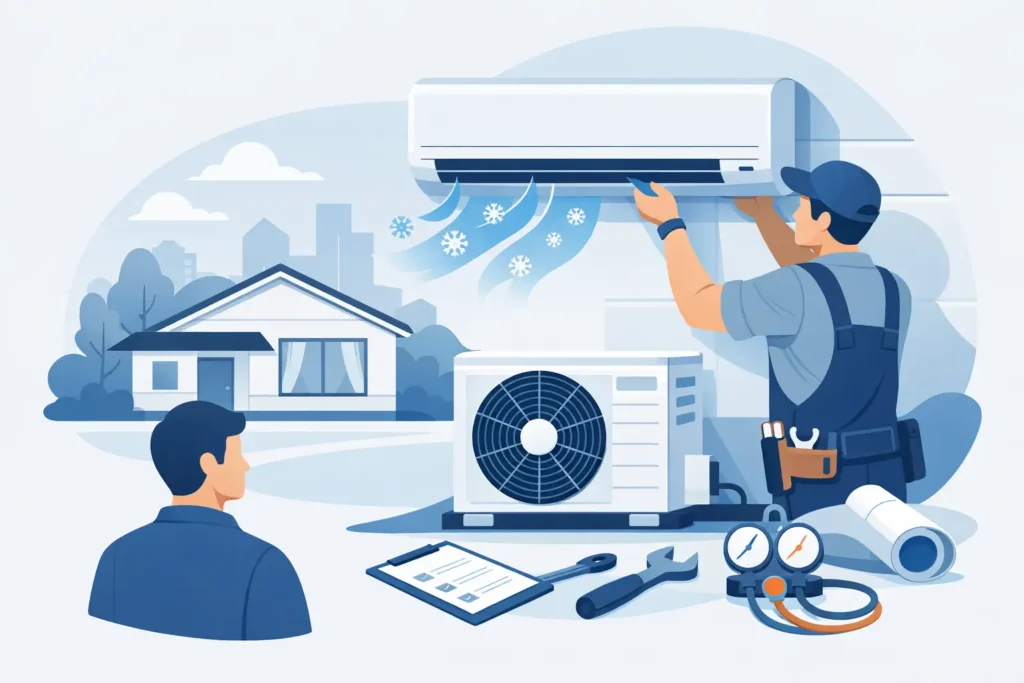
A straightforward replacement is usually much less disruptive than many homeowners expect. After the system is selected and the job is scheduled, the old equipment is removed, the new components are installed, connections are completed, and the system is tested and calibrated.
A solid installation process should include more than just swapping boxes. It should involve checking airflow, verifying refrigerant levels, confirming thermostat operation, and making sure the system starts and runs the way it should. If adjustments to ductwork, drainage, or electrical components are needed, those should be addressed as part of the overall installation plan.
You should also expect clear communication. Homeowners deserve to know what is being installed, how long the work should take, and whether there are any issues in the home that could affect performance after the job is complete.
Timing Matters More Than Most Homeowners Think
If your current system is still running, replacing it before peak summer can give you more flexibility. Emergency replacement in the middle of a heat wave is sometimes unavoidable, but it is rarely the most relaxed way to make a major home decision.
Planning ahead gives you more time to compare options, think through efficiency levels, and ask questions about long-term operating costs. It also reduces the risk of waiting until the system fails during the busiest stretch of the season.
That said, not every homeowner gets to choose the timing. If your AC is failing now, the focus shifts from perfect timing to making a smart, informed choice quickly. In that situation, a trustworthy local contractor becomes even more important.
Questions Worth Asking Before You Approve the Job
A good contractor should be ready to explain how the system was sized, whether the indoor and outdoor components are matched, what efficiency level you are paying for, and whether your ductwork is supporting the new equipment. You should also ask about warranty coverage, maintenance needs, and what kind of thermostat control is included.
It is also fair to ask what problems a new system will and will not solve. If certain rooms are always warmer, if insulation is poor, or if ducts are damaged, those issues may still need separate attention. Honest answers matter here. A new unit can improve a lot, but it cannot fix every comfort issue on its own.
Why Local Experience Helps With AC Installation
Homes in Central Texas deal with long cooling seasons, heavy system demand, and plenty of wear on equipment. Local installation experience matters because climate, housing styles, and common system issues vary from one region to another.
A contractor who regularly works in Georgetown and surrounding communities is more likely to understand the practical demands placed on residential systems here. That includes how hard units run in summer, what efficiency choices make sense locally, and how to spot duct or airflow issues that often show up in area homes.
That local perspective is part of what homeowners are really paying for. Not just equipment, but judgment.
After Installation, Maintenance Protects the Investment
A new system should bring relief, but it still needs regular care. Filter changes, seasonal tune-ups, coil cleaning, drainage checks, and performance inspections help protect efficiency and extend equipment life.
Skipping maintenance can chip away at the benefits of a new installation faster than many homeowners realize. Small airflow issues, low refrigerant, or electrical wear can turn into larger problems if no one catches them early.
For homeowners who want dependable comfort year after year, installation is the starting point, not the finish line. Companies like Neal HVAC build long-term relationships around that idea – install the right system, keep it running well, and stay available when you need service.
If you are weighing your options, the best next step is simple: get clear answers before the hottest day of the year forces the decision for you. A well-planned AC installation should leave you feeling confident, comfortable, and ready for the season ahead.