Noisy Air Conditioner Causes at Home
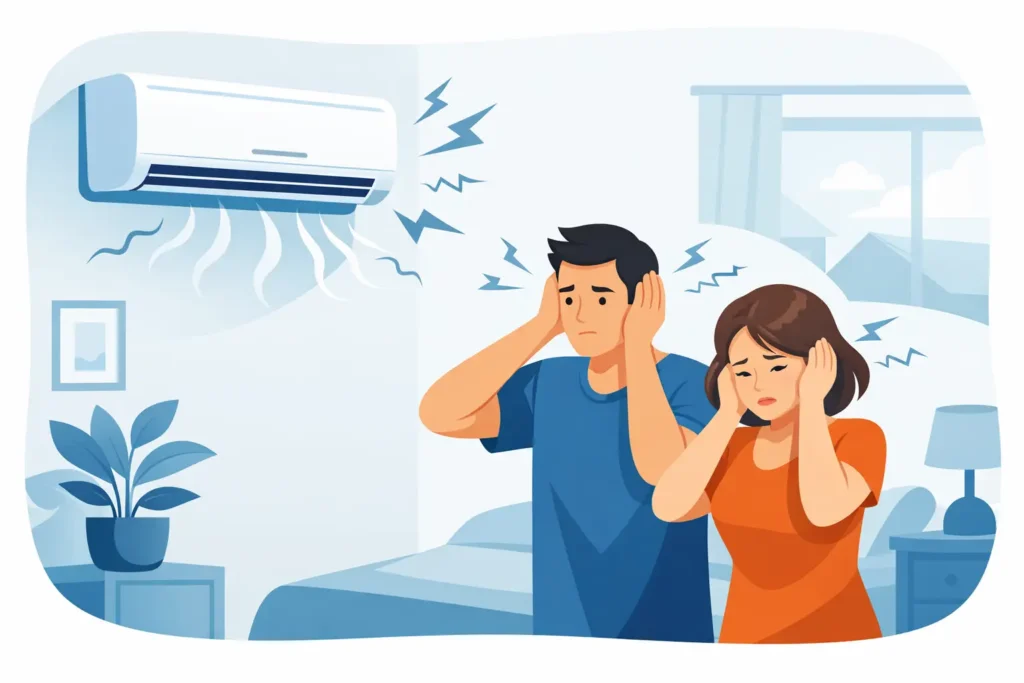
A quiet AC is easy to ignore. A rattling, buzzing, banging, or screeching one is not. If you are searching for noisy air conditioner causes, there is a good chance your system is trying to tell you something before a minor problem turns into a major repair.
Some noises are simple, like a loose panel or debris near the outdoor unit. Others point to worn parts, airflow problems, electrical issues, or a compressor that is under strain. The key is not just noticing the sound, but understanding what kind of sound you are hearing and when it happens.
Common noisy air conditioner causes
Air conditioners are not silent, but they should sound consistent. A normal system may make a brief startup sound, the steady movement of air, and a soft hum from the outdoor unit. When the sound changes suddenly, gets louder over time, or starts happening in cycles, that usually means something is off.
One of the most common causes is loose hardware. Screws can back out over time, access panels can vibrate, and parts inside the cabinet can shift as the system ages. This often creates rattling or vibrating sounds. In many homes, especially during long Central Texas cooling seasons, constant use can make small loose parts show up faster.
Dirty or clogged air filters also cause more noise than many homeowners expect. When airflow is restricted, the system has to work harder to move air. That can lead to whistling at the return, louder blower operation, or strain that makes other components noisier too. The fix may be simple, but the longer it is ignored, the more stress it puts on the equipment.
Fan problems are another big category. Both the indoor blower and the outdoor condenser fan can create noise when blades are dirty, bent, loose, or out of balance. A wobbling fan may start as a light ticking sound and turn into a more obvious scraping or banging noise if it continues running.
Then there are mechanical wear issues. Bearings wear down. Belts can slip on older systems. Motors can struggle to start. These problems often produce screeching, squealing, or grinding sounds, and they usually do not improve on their own.
What different AC noises can mean
Banging or clanking
A banging sound usually points to a part that has come loose or a component that is out of balance. In the outdoor unit, that may be a fan blade striking something or a problem inside the compressor. Indoors, it can sometimes be tied to blower assembly issues.
If the noise is loud and repetitive, turn the system off and have it checked. This is one of those sounds where continuing to run the AC can cause more damage quickly.
Buzzing
Buzzing is one of the more common complaints because it can come from several different issues. Loose wiring, a failing capacitor, a contactor problem, debris in the outdoor unit, or a struggling motor can all create a buzzing sound.
Sometimes homeowners hear buzzing and assume the unit is still basically fine because it is cooling. That is not always a safe assumption. Electrical-related sounds deserve attention early, especially if the system is also having trouble turning on or staying on.
Rattling
Rattling often starts small. It may be something as minor as a loose panel screw, sticks or leaves near the condenser, or ductwork shifting when air pressure changes. It can also signal that internal parts are coming loose.
The reason rattling matters is that small vibrations can spread wear. A unit that rattles for weeks may end up with larger repair needs than it started with.
Squealing or screeching
High-pitched noises usually point to motor or blower trouble. On some systems, it may be a worn belt. On others, it may be bearings or a failing blower motor. These sounds are hard to miss and usually mean service should happen soon rather than later.
Clicking
A click at startup or shutdown can be normal. Constant clicking, repeated clicking without the system starting, or clicking paired with poor cooling is a different story. That can point to thermostat issues, electrical control problems, or a failing relay.
Hissing
A hissing sound can mean air is escaping from ductwork, but it may also suggest a refrigerant leak. Those are two very different repair situations, which is why context matters. If the system is hissing and also not cooling well, freezing up, or running longer than usual, it is worth getting inspected promptly.
Grinding
Grinding is rarely a wait-and-see kind of noise. It often indicates motor bearing failure or another serious internal mechanical issue. Shut the system down and have a technician take a look before the damage spreads.
Noisy air conditioner causes inside vs. outside the home
Where the sound is coming from helps narrow things down.
If the noise is strongest at indoor vents or near the air handler, the issue may involve the blower motor, air filter, evaporator area, or ductwork. Whistling and airflow sounds usually start here. So do many squealing and rattling complaints tied to the indoor cabinet.
If the noise is outside, the condenser fan, compressor, electrical components, or debris around the unit are more likely to blame. Outdoor units naturally make some operating noise, but a sudden metallic sound, loud buzzing, or harsh vibration is not business as usual.
It also helps to notice whether the sound happens at startup, during the full cooling cycle, or at shutdown. Startup noises often point to electrical or motor strain. Constant noises during operation may be fan, airflow, or compressor related. Shutdown noises can sometimes come from loose parts settling or ducts expanding and contracting.
When the cause is simple and when it is not
Not every noisy AC call ends in a major repair. A clogged filter, a loose panel, or yard debris touching the condenser can all create noticeable sound. Those are the best-case scenarios.
The harder part is that some serious issues start with subtle symptoms. A failing capacitor may first sound like a faint buzz. A blower motor issue may begin as an occasional squeal. A refrigerant problem may present as a quiet hiss before cooling performance drops further.
That is why it helps to pay attention to changes, not just volume. If your system has always made a certain low hum, that is one thing. If it suddenly starts making a new sound, especially alongside weak airflow, higher humidity indoors, longer run times, or uneven cooling, it is time to have it checked.
What homeowners can safely check first
There are a few things you can look at before scheduling service, as long as you do it safely.
Start with the air filter. If it is dirty, replace it and see whether airflow and sound improve. Check the supply and return vents to make sure they are open and not blocked by furniture or rugs. Walk outside and look around the condenser for leaves, sticks, or anything touching the cabinet.
You can also look for obvious loose screws or panels, but avoid opening electrical compartments or trying to force parts back into place. If the sound is loud, metallic, electrical, or tied to reduced cooling, turning the system off is the safer move.
When to call for AC repair
A noisy AC is worth professional attention when the sound is persistent, getting worse, or paired with performance problems. That includes warm air, weak airflow, tripped breakers, short cycling, ice on the system, or rising utility bills.
For homeowners in Georgetown and nearby communities, fast service matters most when the system is making a harsh new noise during peak summer heat. Waiting a few days may not sound like much, but in HVAC terms, that can be the difference between replacing a part and replacing a major component.
Neal HVAC helps local homeowners track down AC noise problems with straightforward diagnostics and dependable repair service. The goal is simple: find the real cause, fix what needs fixing, and help you get back to a comfortable, quieter home.
Why routine maintenance helps prevent AC noise
Many noisy system problems start with wear that builds gradually. Seasonal maintenance gives those issues a chance to be caught before they turn into disruptive sounds or emergency calls.
A tune-up can reveal loose connections, dirty coils, worn motors, weak capacitors, and airflow restrictions while the system is still operating well enough to protect itself. It also gives homeowners a clearer picture of whether an older unit is dealing with a repairable issue or showing signs of broader age-related decline.
That matters because sometimes the answer is not just fixing one noise. On an aging system, repeated sounds and repeat repairs can point to a bigger decision about reliability and efficiency.
If your air conditioner has gotten louder than it used to be, trust that change. Systems usually give warning signs before they fail completely, and unusual noise is one of the clearest ones you will hear.