
Residential HVAC Maintenance Guide for Homeowners
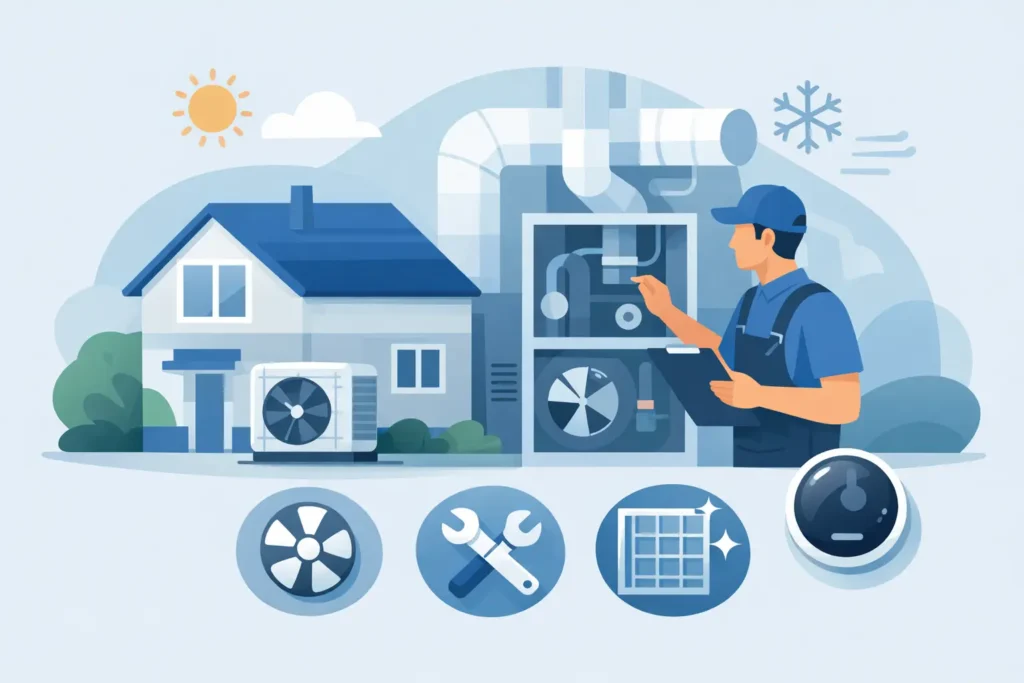
That first blast of warm air from the vents in July should feel like relief, not a warning sign. In Central Texas, your system does not get much of a break, which is why a solid residential HVAC maintenance guide matters for both comfort and cost. A little attention at the right times can help you avoid mid-season breakdowns, uneven cooling, and the kind of energy bills that make you wince.
Most homeowners do not need to know every mechanical detail of their heating and cooling system. What helps is knowing what you can handle yourself, what should be checked seasonally, and when a small issue is starting to look like a repair call. Good maintenance is not about doing everything. It is about doing the right things consistently.
What a residential HVAC maintenance guide should actually help you do
A useful residential HVAC maintenance guide should make ownership simpler, not more technical. Your HVAC system has one job: keep your home comfortable through changing weather, long cooling seasons, and the occasional cold snap. Maintenance supports that job by reducing wear, improving airflow, and catching issues before they turn into emergency calls.
It also helps you make better decisions about timing. For example, if your air conditioner is cooling but running longer than usual, that does not always mean the unit is failing. It could be a dirty filter, blocked return airflow, a thermostat issue, or low performance caused by neglected coils. On the other hand, if your system is short cycling, making new noises, or struggling to keep up in mild weather, it is usually smarter to schedule service before the hottest part of the season.
The basics homeowners should stay on top of
The most important maintenance task is also the easiest to ignore: changing the air filter. A clogged filter restricts airflow, forces the system to work harder, and can lead to comfort problems throughout the house. In many homes, checking the filter monthly and replacing it every one to three months is a good rule. It depends on the filter type, pets, indoor air quality concerns, and how often the system runs.
Thermostat settings matter more than people think. If your home never seems to reach the set temperature, the issue may not be the equipment itself. Start by checking that the thermostat is reading accurately, has fresh batteries if needed, and is set to the correct mode and schedule. Smart thermostats can help with efficiency, but only if they are programmed around your actual routine.
Airflow around vents and returns is another common problem area. Supply vents should not be closed off in multiple rooms just because those rooms are used less often. That can affect balance and pressure in the system. Return vents should stay clear of furniture, rugs, and dust buildup. If certain rooms are always warmer or cooler than others, restricted airflow is often part of the story.
Outdoor unit care in Central Texas heat
Your outdoor condenser takes a beating during the long cooling season. Leaves, grass clippings, dirt, and overgrown plants can reduce airflow and make the system less efficient. Homeowners can help by keeping the area around the unit clear and gently rinsing away surface debris with the power off. The goal is not to deep-clean the system yourself. It is to keep it from choking on dirt and yard buildup.
Be careful with landscaping near the unit. Shrubs that look tidy from the sidewalk can still crowd the equipment. Give the condenser room to breathe. If the fins appear bent or the unit is heavily soiled, that is usually a job for a technician. This is one of those areas where a well-meaning DIY approach can create damage if you are too aggressive.
Drainage is worth paying attention to as well. If your indoor unit has a condensate drain line, a clog can lead to water issues, humidity problems, or a system shutdown depending on the setup. If you notice standing water near the indoor equipment or signs of moisture where they should not be, do not wait it out.
Seasonal HVAC maintenance guide for year-round comfort
For most homeowners, maintenance works best on a seasonal rhythm. Spring is the time to get ahead of AC demand before temperatures spike. A pre-season cooling check can catch refrigerant issues, capacitor wear, dirty coils, drainage concerns, and weak airflow before the system is pushed hard every day.
Fall matters too, even in areas where winter is shorter and milder. Your furnace or heat pump still needs attention before cold weather arrives. Heating components, safety controls, igniters, and airflow should all be checked so you are not discovering a problem on the first chilly night.
Between those professional visits, your role is simple: keep filters fresh, keep vents open, keep the outdoor unit clear, and pay attention to changes in system behavior. Maintenance is less about a long to-do list and more about staying alert to small warning signs.
Signs your system needs service, not just upkeep
Some issues move beyond maintenance quickly. If your AC is blowing warm air, turning on and off too often, tripping breakers, or making grinding, buzzing, or rattling sounds, that is usually not a wait-and-see situation. The same goes for musty odors, weak airflow, rising humidity indoors, or sudden jumps in utility costs without a clear reason.
Age plays a role, but age alone does not tell the whole story. A well-maintained older unit may still perform reliably, while a newer system with neglected airflow or installation issues may struggle early. What matters is the combination of age, repair history, efficiency, and whether the unit is still keeping your home comfortable without constant attention.
If repairs are becoming frequent, maintenance visits can help clarify whether you are dealing with isolated problems or the beginning of a replacement decision. That is where straightforward guidance matters. Homeowners should not have to guess whether a system is worth investing in for another season.
Why professional maintenance still matters
There is a limit to what you can see from the hallway thermostat or by swapping a filter. Professional HVAC maintenance looks at operating performance, electrical components, refrigerant levels where applicable, coil condition, safety controls, system cleanliness, and wear patterns that are easy to miss from the outside.
That kind of service is especially valuable before peak summer in Georgetown, Round Rock, Hutto, Jarrell, Leander, and nearby communities where cooling demand can be intense for long stretches. Systems that seem fine during mild weather can start failing once daily runtime increases. Catching weak parts early can save you from the inconvenience of losing cooling when you need it most.
A professional tune-up also helps with efficiency, though expectations should stay realistic. Maintenance will not turn an aging, undersized system into a high-performance upgrade. What it can do is help your existing equipment run closer to the way it was designed to run, which supports comfort and can reduce unnecessary strain.
When maintenance is enough and when replacement makes more sense
Homeowners often ask whether regular service can keep any system going indefinitely. The honest answer is no. Maintenance helps extend life and improve reliability, but every system reaches a point where repairs become less practical. If your unit is older, needs frequent service, and still leaves parts of the home uncomfortable, replacement may be the better long-term move.
That does not mean every repair on an older unit is wasted money. Sometimes a straightforward repair is the right call, especially if the equipment has otherwise been dependable. It depends on the condition of the system, the cost of the repair, and how long you plan to stay in the home. A trustworthy HVAC company should be able to explain that clearly without pushing you one direction.
For homeowners who want local support and dependable communication, Neal HVAC has built its reputation around helping Central Texas families stay ahead of heating and cooling problems with practical service and honest recommendations.
A smarter way to think about HVAC care
The best maintenance plan is the one you will actually follow. If you wait until the house is hot, the airflow is weak, and the unit is making noise, you are no longer doing maintenance. You are reacting to failure. A better approach is to treat HVAC care like any other important part of home upkeep: check in regularly, take small warning signs seriously, and schedule seasonal service before extreme weather puts your system under pressure.
Comfort at home should feel dependable. With the right maintenance habits and timely professional support, your HVAC system has a much better chance of delivering exactly that.