Licensed AC Installation in Leander, TX
Dependable Cooling Upgrades
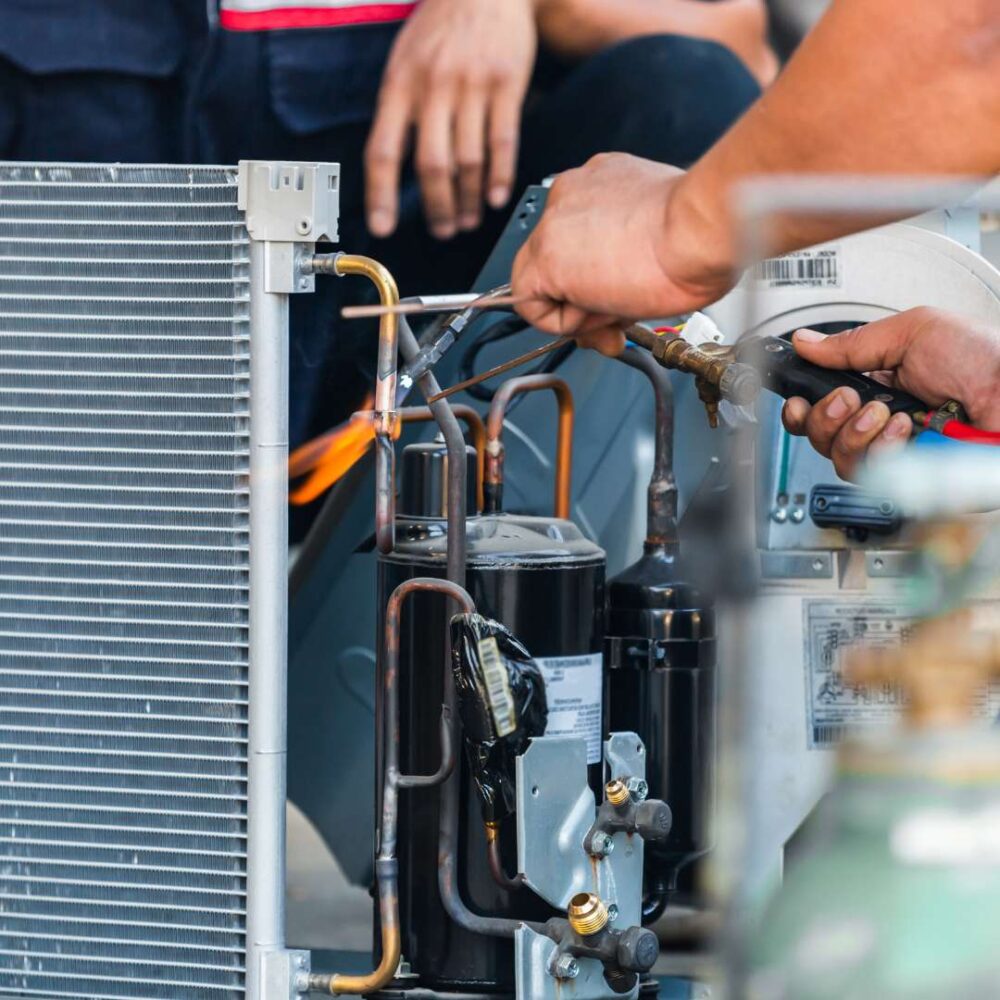
Neal HVAC provides licensed AC installation in Leander, TX for homeowners replacing outdated systems or planning cooling upgrades before intense summer temperatures arrive. The company helps properties stay comfortable with carefully installed systems designed for dependable airflow, balanced indoor temperatures, and everyday residential performance.
How Can We Help You Today?

4.9 Star AverageFrom 981 Google reviews
BBB Rated A+Accredited, trusted business
Licensed & InsuredTexas ACR License TACLB28773E
HVAC Installations
Choose Neal HVAC for Licensed AC Installation in Leander, TX That Fits Your Home
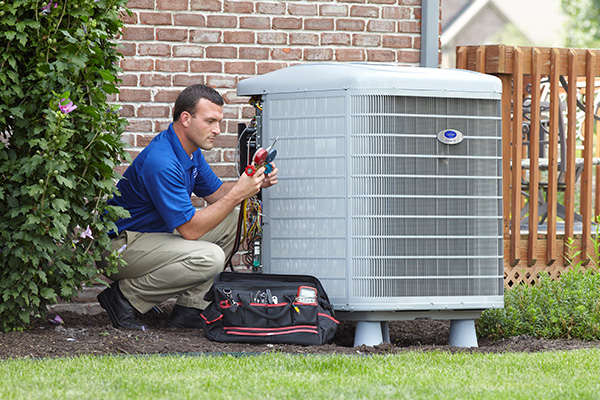
- Cooling done carefully: Neal HVAC handles AC installation with attention to airflow, thermostat response, and connection testing for proper day-one performance.
- Smoother Scheduling and Installation Flow: The company coordinates equipment removal, unit placement, hookups, and final checks in organized sequence.
- Dependable Solutions for Different Home Types: Neal HVAC installs systems for various residential layouts to match how each home is used.
Comfort that lasts
Why Licensed AC Installation in Leander, TX Matters for Daily Comfort
- Built for Hot Central Texas Weather: Proper installation supports better airflow and consistent cooling during peak heat periods.
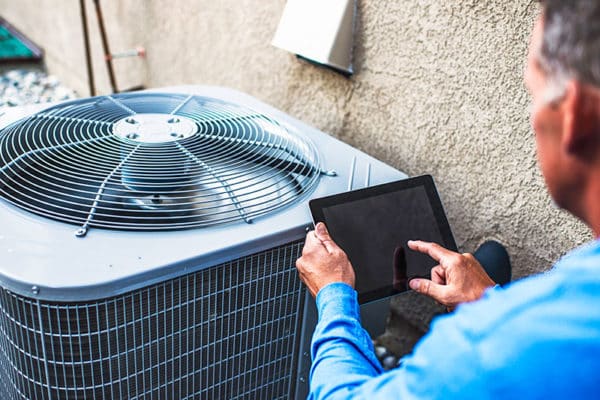
- Supports Everyday Household Routines: A correctly installed system maintains stable temperatures for sleeping, working, and daily activities.
- Helps Homes Meet Comfort Expectations: Proper installation prevents noise, weak airflow, and inconsistent cooling issues.
Got Questions?
Frequently Asked Questions About Licensed AC Installation in Leander, TX
Find answers to common questions about AC Installation in Leander, TX, including system issues, condo considerations, and what homeowners should expect after installation.
A new system can address uneven cooling, weak airflow, frequent cycling, and poor temperature control. Neal HVAC reviews duct conditions, system sizing, and room-by-room comfort patterns to improve cooling performance in older houses.
Yes, condos and townhomes may involve space limitations, access restrictions, and equipment placement considerations affecting installation planning. Neal HVAC assesses property layout to determine practical cooling solutions.
Homeowners should expect steadier indoor temperatures, improved airflow, and more reliable cooling than aging systems provide. Neal HVAC tests operation and helps homeowners understand normal performance during high-demand weather.
Get In Touch With Us
Feel free to reach out to us anytime. We're here to help!
Phone Number
(512) 248-2665
Email
help@nealhvac.com
Address
2006 Rivery Blvd #111, Georgetown, TX 78628, United States