8 Signs Your AC Needs Repair Soon
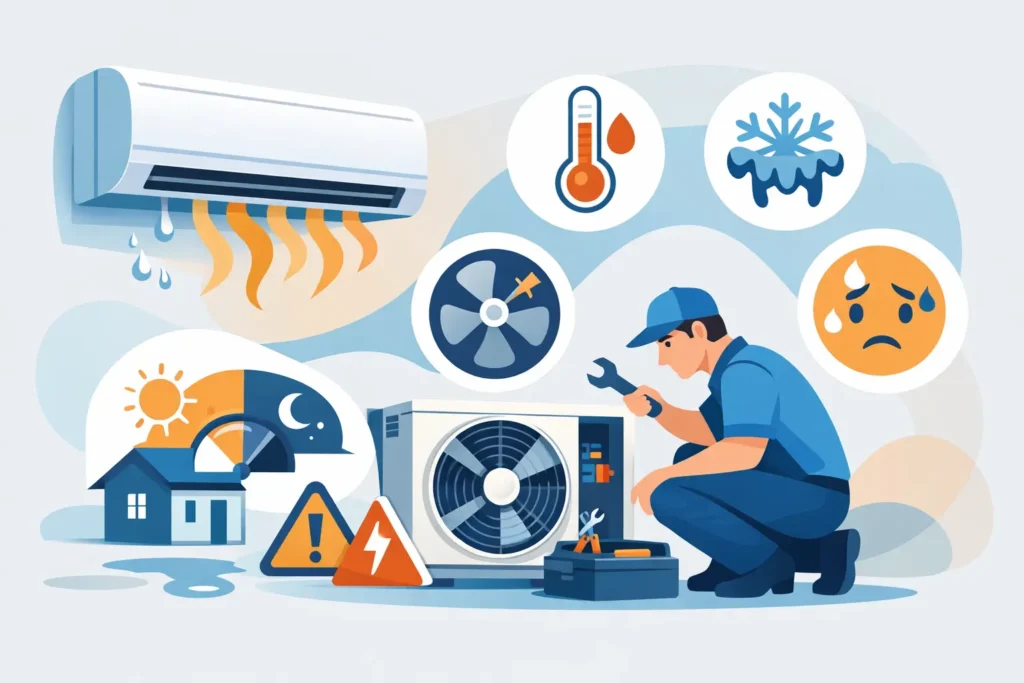
When your AC starts acting up in a Central Texas summer, you usually notice it fast. The signs your AC needs repair often show up before the system stops completely, and catching them early can save you from a hotter house, higher energy bills, and a bigger repair than you expected.
Some problems are obvious, like warm air blowing from the vents. Others are easier to brush off, especially if the system still turns on and seems to be doing its job most of the time. That is where homeowners can get stuck. An air conditioner does not have to fail completely to need professional attention.
Common signs your AC needs repair
If your home is not staying consistently comfortable, your system is trying to tell you something. The issue may be minor, or it may be the early stage of a larger repair. Either way, it is better to deal with it before the hottest stretch of the season.
1. Warm air is coming from the vents
If the thermostat is set to cool but the air coming out feels room temperature or warm, that is one of the clearest signs of trouble. It could point to a refrigerant issue, a compressor problem, thermostat trouble, or restricted airflow.
Sometimes the fix is simple, especially if the thermostat setting was changed by accident or the filter is badly clogged. But if those basics check out and the air is still not cooling, the system needs a closer look.
2. Weak airflow in parts of the house
Low airflow can feel like a small annoyance at first. Maybe one bedroom never quite cools down, or the living room takes much longer than usual to get comfortable. In reality, weak airflow can signal problems with the blower motor, ductwork, air filter, or evaporator coil.
It also matters where the issue is happening. If airflow is weak throughout the house, the problem may be at the system itself. If it is limited to one or two rooms, duct leaks, blockages, or balancing issues may be part of the picture. It depends on the layout of the home and the age of the equipment.
3. The AC keeps turning on and off
Short cycling is when the system starts, runs briefly, shuts off, and then starts again sooner than it should. This puts extra strain on components and usually leads to higher utility costs.
There are several possible causes. A dirty filter can contribute, but so can an oversized system, thermostat placement problems, electrical issues, or low refrigerant. Because short cycling has more than one possible source, it is not a symptom to ignore or guess your way through.
4. Your energy bill suddenly jumps
A higher electric bill in peak summer is not unusual. A sharp increase without a clear reason is different. If your cooling habits have not changed much but the bill has, your AC may be working harder than it should to reach the set temperature.
That extra strain can come from worn components, dirty coils, airflow restrictions, refrigerant loss, or a system that is simply aging out. In some cases, repair can restore performance. In others, especially with older equipment, the conversation may shift toward whether continued repairs still make financial sense.
Strange sounds and smells are warning signs
Air conditioners are not silent, but they should be predictable. When the system starts making new noises or giving off unusual odors, it is worth paying attention.
5. You hear banging, buzzing, rattling, or squealing
Different noises can point to different issues. A rattling sound may mean a loose part. Buzzing can be tied to electrical problems. Squealing may come from a motor or belt issue depending on the type of system. Banging is often the one homeowners notice most because it can sound serious, and sometimes it is.
The key is not to wait for the sound to get louder. HVAC systems rarely fix themselves. A small loose component can turn into a damaged motor or compressor if it is left alone.
6. There is a musty or burning smell
A musty odor may suggest moisture buildup, microbial growth, or drainage problems around the system. A burning smell can indicate overheating components, wiring trouble, or a failing motor. Either way, odors deserve attention because they can affect both comfort and safety.
Not every smell means a major repair, but it is worth having checked out quickly. If the odor is strong or persistent, turning the system off until it is inspected is the safer choice.
Moisture, leaks, and humidity problems
Cooling is not just about temperature. Your AC also helps control indoor humidity, which matters a lot in how your home feels.
7. You see water or refrigerant around the unit
Any visible leak around your indoor or outdoor unit should raise a flag. Water near the system could mean a clogged condensate drain line or drain pan issue. Refrigerant leaks are more serious and can affect cooling performance while putting stress on the compressor.
Homeowners sometimes assume a little moisture is normal, and some condensation can be. Pooling water, repeated damp spots, or ice on the system are different. Those are signs that something is not working as intended.
8. Your house feels sticky even when it is cool
If the thermostat says the home is at the right temperature but the air still feels damp or clammy, your AC may not be removing humidity properly. That can happen when the unit is oversized, when airflow is off, or when certain internal components are not operating the way they should.
This is one of the more frustrating signs your AC needs repair because the home may seem almost comfortable, just not quite right. Over time, excess indoor humidity can also contribute to stale air, musty smells, and general discomfort.
When these signs mean repair and when they may mean replacement
Homeowners often want a simple answer: repair it or replace it. The truth is that it depends on the age of the system, the type of problem, repair frequency, and how well the unit has been maintained.
If your AC is relatively new and this is the first significant issue, repair is often the sensible route. If the system is older, needs frequent service, or struggles to keep up even after repairs, replacement may be the better long-term decision. Efficiency matters too. A repair might get an older system running again, but it may not solve the bigger issue of rising operating costs.
That is why a good service visit should not feel like guesswork. You want a clear explanation of what failed, what it will take to fix it, and whether that fix is likely to give you reliable performance.
What you can check before calling for service
Not every cooling problem turns into a major repair. Before scheduling service, there are a few basics worth checking. Make sure the thermostat is set correctly and has working batteries if needed. Check the air filter and replace it if it is dirty. Look at the outdoor unit and clear away leaves, grass, or debris that may be blocking airflow.
If those steps do not change anything, or if you notice warm air, unusual sounds, leaks, or short cycling, it is time to have the system inspected. Continuing to run a struggling AC can turn a manageable repair into a more expensive one.
Why quick action matters in Georgetown-area summers
An AC issue in mild weather is inconvenient. In the middle of a Georgetown or Round Rock summer, it can turn urgent fast. High outdoor temperatures put more demand on every part of the system, which means a unit that is already struggling has less margin for error.
That is one reason many homeowners call at the first sign of trouble instead of waiting for a full breakdown. Fast service can protect comfort, prevent additional wear, and help avoid those days when the house warms up faster than the AC can catch up.
For local homeowners, working with an established company matters too. Neal HVAC has served Georgetown and surrounding communities since 2009, and that local experience makes a difference when your system is working against Central Texas heat.
If something about your cooling system feels off, trust that instinct. The sooner you act on the signs your AC needs repair, the better your chances of fixing the problem before your comfort takes the full hit.