Why Is My AC Freezing Up?
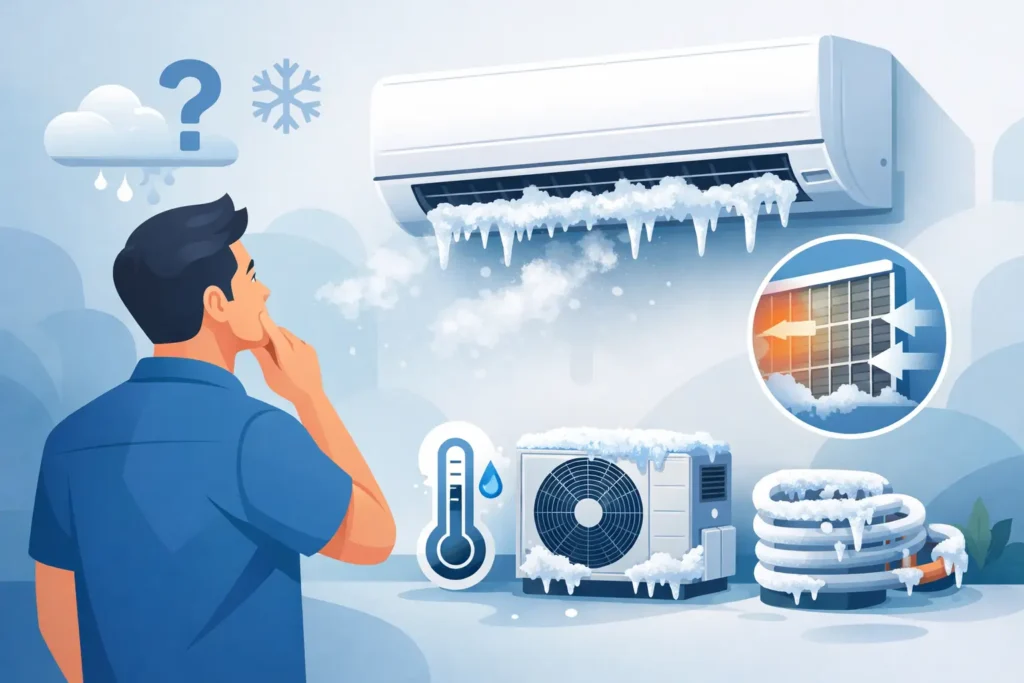
You set the thermostat expecting cool air, but instead your system struggles, airflow drops, and you find ice on the unit or refrigerant line. If you are asking, “why is my AC freezing,” the short answer is that your system is not moving heat the way it should. An air conditioner can freeze when airflow is restricted, refrigerant levels are off, or key parts are not working correctly.
That can feel confusing in Central Texas, especially during a long stretch of hot weather. Most homeowners assume freezing means the system is working extra hard to make cold air. In reality, ice on an AC is usually a sign that something is wrong and needs attention before it turns into a bigger repair.
Why is my AC freezing when it is hot outside?
It seems backward, but an air conditioner can freeze even when outdoor temperatures are high. Your AC cools your home by absorbing heat from indoor air and moving it outside. When that heat transfer gets interrupted, the evaporator coil can get too cold. Moisture in the air then turns to ice on the coil, and once ice starts building, performance drops even more.
That is why a frozen AC often becomes a cycle. Less airflow or a refrigerant problem causes ice. The ice blocks airflow further. Then the system struggles even more, and the freeze-up gets worse.
The most common reasons an AC freezes
In most homes, the cause comes down to one of a few issues. Some are simple. Others need a trained technician.
Dirty air filter
A clogged air filter is one of the most common reasons for a frozen air conditioner. When the filter is packed with dust and debris, your system cannot pull enough air across the evaporator coil. Without enough warm air moving over that coil, the temperature drops too low and moisture begins to freeze.
This is also one of the easiest things to check. If your filter looks dirty, replacing it may help restore airflow. It will not solve every freeze-up, but it is often the right first step.
Blocked or closed vents
Your AC needs steady airflow through the entire house. If too many supply vents are closed, or if return vents are blocked by furniture, rugs, or boxes, the system may not circulate enough air. That reduced airflow can contribute to freezing.
This is one of those problems that depends on the layout of the home. Closing one vent in a rarely used room may not cause trouble. Closing several vents across the house can.
Dirty evaporator coil
Even if the filter has been changed, the indoor evaporator coil can still collect dirt over time. That buildup acts like insulation and interferes with heat absorption. The coil gets colder than it should, and ice can form.
A dirty coil usually needs professional cleaning. It is not a part most homeowners can safely access or clean without risking damage.
Low refrigerant
If your system is low on refrigerant, it usually means there is a leak. Low refrigerant pressure can cause the evaporator coil to get too cold and freeze over. In many cases, homeowners notice weak cooling, longer run times, or hissing sounds before the freezing starts.
This is not a maintenance item like changing a filter. Refrigerant does not simply get “used up” under normal conditions. If levels are low, the system should be checked for leaks and repaired properly.
Blower problems
The blower fan is what pushes air through your ductwork. If the blower motor is failing, running at the wrong speed, or not moving enough air, the coil can freeze from lack of airflow.
This issue can look a lot like a filter problem from the outside. The difference is that changing the filter will not fix it. If you hear unusual sounds, notice weak airflow from every vent, or the fan seems inconsistent, the blower may be part of the problem.
Drainage or thermostat issues
A clogged condensate drain does not usually cause freezing by itself, but it can show up alongside other system problems. Thermostat issues can also affect run cycles and system behavior. These are less common causes, but they do happen, especially in older systems or units with multiple worn parts.
Signs your AC is freezing
Sometimes the ice is easy to spot. Other times, the warning signs show up before you see anything frozen.
You may notice warm or weak air coming from the vents, even though the thermostat is set to cool. You might see ice on the indoor coil, the copper refrigerant line, or the outdoor unit. Some homeowners also notice water around the indoor unit after the ice starts melting. Higher electric bills and longer cooling cycles can also point to a system that is not operating correctly.
If your home feels muggy and the system seems to run constantly without really cooling the house, that is another clue something is off.
What you can check safely first
If your AC is frozen, start with the basics. Turn the system off at the thermostat or switch the cooling mode off and set the fan to “on” if the fan is still operating normally. That can help thaw the ice faster. Running the AC while it is frozen can put extra strain on the system and may lead to compressor damage.
Next, check the air filter. If it is dirty, replace it. Walk through the house and make sure supply and return vents are open and not blocked. Then give the system time to thaw completely. Depending on how much ice has built up, that may take several hours.
Once thawed, you can try turning the system back on. If it cools normally and airflow improves, the issue may have been restricted airflow from the filter or vents. If it freezes again, there is likely a deeper problem that needs repair.
What not to do when your AC freezes
Do not chip at the ice with a tool or try to force it off the coil or refrigerant line. That can damage delicate components and turn a repairable issue into a more expensive one.
Do not keep lowering the thermostat hoping the house will cool faster. If the system is already struggling, that usually makes things worse. And do not add refrigerant without a proper diagnosis. If the system is low, there is a reason, and simply topping it off does not solve the underlying problem.
When it is time to call for AC repair
If your filter is clean, vents are open, and the system keeps freezing, it is time for a professional inspection. The same is true if you see repeated ice buildup, hear unusual sounds, notice poor airflow, or suspect a refrigerant issue.
A frozen AC is not one of those problems that gets better on its own. Sometimes the repair is straightforward, like cleaning a coil or replacing a worn blower component. Other times, it reveals a refrigerant leak or a larger issue with an aging system. The sooner it is diagnosed, the better chance you have of avoiding a full breakdown during a hot Georgetown-area week.
For homeowners in Georgetown, Round Rock, Hutto, Jarrell, Leander, and nearby communities, this is where working with a local HVAC company matters. A technician can identify whether the cause is airflow, refrigerant, electrical, or a combination of problems, and recommend the repair that actually fits the condition of your system.
How to help prevent your AC from freezing again
The best prevention is regular maintenance and consistent airflow. Change filters on schedule, keep vents open, and pay attention to early signs like reduced airflow or longer cooling cycles. Seasonal maintenance can also catch dirty coils, blower issues, and refrigerant problems before they leave you without cooling.
There is also a bigger picture here. If your AC is older and has frozen more than once, repair decisions may depend on the age and overall condition of the equipment. A newer system with one airflow issue is one thing. An older unit with recurring refrigerant problems is another. The right answer depends on repair cost, efficiency, and how reliable you need the system to be through the Central Texas cooling season.
If you have been asking, “why is my AC freezing,” do not ignore it just because the system starts working again after the ice melts. Freeze-ups are warning signs. Catching the cause early is usually the best way to protect your comfort, your energy bill, and the life of your air conditioner.
A frozen AC does not always mean the worst, but it does mean your system is asking for attention before a small issue becomes a much hotter problem.