
AC Installation for Older Homes Made Practical
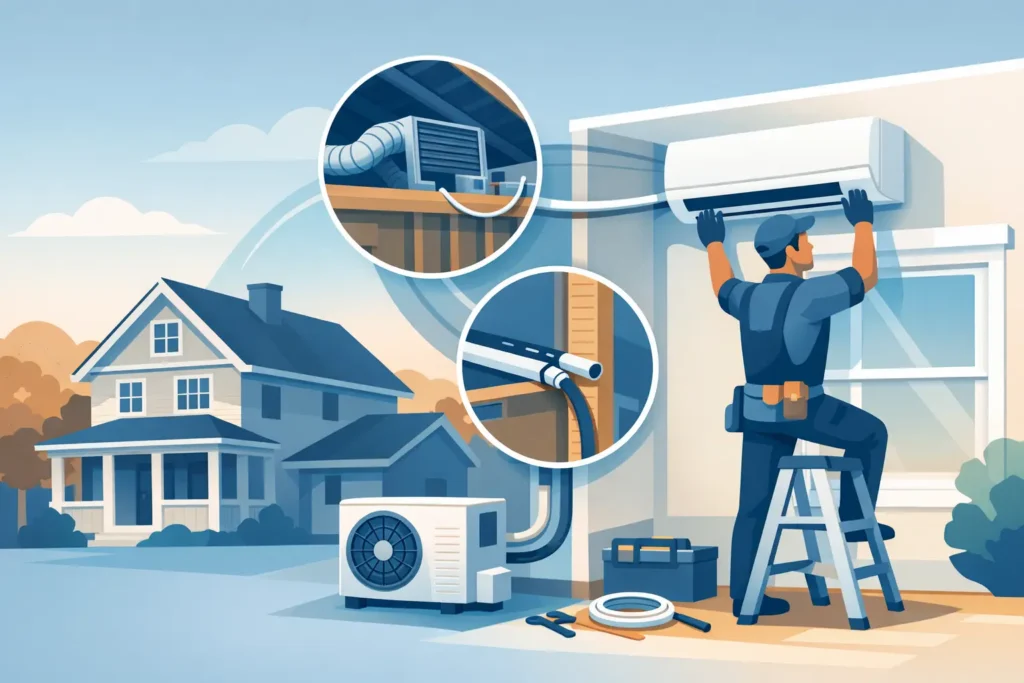
A home built decades ago can have plenty of character, but a 100-degree Georgetown afternoon quickly reveals where that character comes with challenges. Rooms may cool unevenly, the breaker may trip when the AC starts, or an older duct system may lose conditioned air before it reaches the bedrooms. AC installation for older homes takes more planning than simply replacing equipment. The goal is a system that keeps your family comfortable without creating new electrical, airflow, or moisture problems.
Why Older Homes Need a Different AC Installation Approach
Many older Central Texas homes were built when air conditioning systems were smaller, homes were less insulated, and energy efficiency standards were different. Some have added rooms, converted garages, enclosed porches, or updated windows over the years. Those changes affect how much cooling the house needs and how air moves through it.
That is why a proper installation starts with the home itself, not a quick recommendation based only on square footage. A technician should consider the home’s layout, insulation, window exposure, ceiling height, occupancy, existing ductwork, and condition of the electrical system. A house with west-facing windows and a poorly insulated attic may need a different solution than a similar-sized home with newer insulation and shade trees.
Older homes also tend to have comfort differences from room to room. One bedroom may stay warm because of undersized ducts, while another feels damp because it receives too much airflow. Replacing the outdoor unit alone will not correct those issues. Addressing them during installation can make a major difference in daily comfort and monthly utility costs.
Start With a Full Home Assessment
Before choosing a new air conditioner, ask for a complete evaluation of the existing system and the home. This is especially important if the current unit has struggled to keep up, runs constantly, or leaves certain rooms uncomfortable.
A quality assessment looks at more than the age of the AC. It should include the condition and size of supply and return ducts, the air handler location, refrigerant lines, drainage, thermostat wiring, attic insulation, and air leaks around doors, windows, and attic access points. In older homes, these supporting components often determine whether a new system performs as expected.
Electrical capacity deserves close attention. Older panels may not have room for a new high-efficiency system, and older wiring may need to be evaluated for safety. If electrical upgrades are necessary, it is better to identify them before installation day instead of finding out after the equipment has arrived.
A home assessment also helps identify practical concerns, such as limited attic access, tight closets, historic finishes, or a crawlspace that makes duct replacement more involved. These conditions do not prevent an upgrade, but they can affect the installation plan and cost.
Proper Sizing Is Not Optional
It is common to assume that a larger air conditioner will cool an older house better. In reality, an oversized system can create problems. It may cool the air too quickly, shut off before removing enough humidity, cycle on and off more often, and wear down faster. Central Texas homes need cooling capacity, but they also need enough run time to manage indoor moisture.
An undersized system has the opposite problem. It may run for long periods during peak summer heat and still fail to maintain a comfortable temperature. Proper load calculations help determine the right capacity for the home based on real conditions, rather than relying on the size of the old unit.
If your current equipment was installed years ago, its size may not be right for the house as it exists today. Added insulation, new windows, roof changes, or a remodeled room can all change the cooling load.
AC Installation for Older Homes: Ductwork Matters
Ductwork is often the hidden issue in an older home. Leaky joints, crushed flex ducts, missing insulation, and undersized returns can reduce comfort even when the AC unit is new. In an attic, poorly sealed ducts can lose a surprising amount of cooled air to extreme summer heat before it reaches the living space.
Some homes have ducts that can be sealed, insulated, and adjusted. Others may benefit from replacing damaged sections or redesigning parts of the system to improve airflow. Adding or enlarging a return air path can sometimes help with hot bedrooms, pressure differences, and noisy airflow.
Not every older home needs complete duct replacement. If ducts are accessible, correctly sized, and generally in good condition, targeted repairs may be enough. But when a duct system is badly deteriorated or was never designed for the current layout, keeping it unchanged can limit the performance of a new high-efficiency AC system.
For homes without existing ductwork, ductless mini-split systems can be a practical option. They can cool additions, converted garages, guest rooms, and other spaces where extending central ducts would be difficult. A ductless solution is not automatically the best choice for every house, but it can provide efficient, room-by-room comfort while avoiding major remodeling.
Choose Equipment That Fits Your Home and Budget
Today’s air conditioning systems offer better efficiency, quieter operation, and more precise temperature control than many older units. Still, the most expensive equipment is not always the right answer. The best choice depends on your home’s condition, how long you plan to stay, your budget, and how much comfort control you want.
A standard single-stage system can be a dependable replacement for many homes when it is properly sized and installed. Two-stage and variable-speed equipment can offer steadier temperatures and better humidity control, which may be especially helpful in homes with uneven cooling or longer summer run times.
Higher-efficiency systems may lower energy use, but the return on investment varies. If your attic insulation is thin or ducts are leaking badly, improving those areas may deliver meaningful comfort benefits alongside the equipment upgrade. A straightforward conversation about priorities helps homeowners avoid paying for features that do not solve the issues they actually have.
Smart thermostats can also help, but they should be selected carefully. Some older homes have limited thermostat wiring, which may require an adapter or wiring update. The thermostat should work with the equipment and support the comfort settings your household needs, not add unnecessary complexity.
Plan for Installation Day
A well-planned installation protects the home and keeps surprises to a minimum. Technicians may need access to the attic, indoor equipment area, electrical panel, outdoor unit location, and thermostat. Clearing belongings from these areas ahead of time can make the process smoother.
The old system must be removed and refrigerant handled properly. New equipment needs a secure pad or mounting location, correctly sized electrical connections, properly installed refrigerant lines, and a reliable condensate drain. Drainage is particularly important in humid weather. A clogged or poorly routed drain can lead to water damage, ceiling stains, or unexpected shutdowns.
After installation, the system should be tested for airflow, refrigerant performance, electrical operation, thermostat response, and drainage. This final setup work is where installation quality shows. Even highly rated equipment cannot deliver its intended efficiency or comfort if it is not commissioned correctly.
Protect Your Investment After Installation
A new system needs regular care, especially through long Central Texas cooling seasons. Homeowners should change filters on schedule, keep the outdoor unit clear of leaves and debris, and avoid blocking supply or return vents with furniture. These simple habits help preserve airflow and reduce strain on the system.
Professional maintenance provides another layer of protection. Seasonal service can catch worn electrical parts, drainage issues, coil buildup, and refrigerant concerns before they become a mid-summer breakdown. For older homes, maintenance visits also provide an opportunity to monitor duct performance and address comfort changes over time.
Neal HVAC helps homeowners in Georgetown and nearby communities make clear, practical decisions about replacement systems, duct concerns, and comfort upgrades. A thorough quote should explain what the installation includes and why each recommendation fits the home.
Your older home does not need to be rebuilt to feel comfortable in the summer. With the right evaluation and a system designed around the way your home actually works, you can protect its character while giving your household dependable cooling when it matters most.