When Is the Best Time to Replace a Furnace?
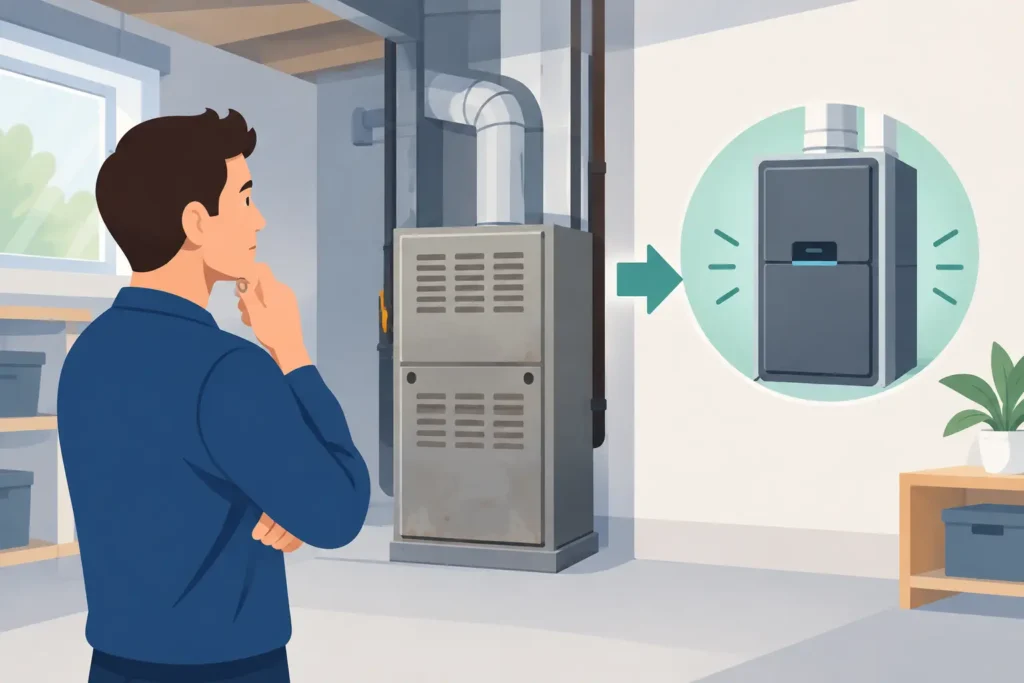
A furnace rarely chooses a convenient time to fail. It may struggle through the first cold front, make an unfamiliar noise overnight, or stop keeping parts of the house comfortable when your family needs heat most. The best time to replace a furnace is usually before it reaches that point – when you can make a clear decision, compare options, and schedule installation around your household instead of an emergency.
For homeowners in Georgetown, Round Rock, Hutto, Jarrell, Leander, and nearby Central Texas communities, furnace replacement is often less about one dramatic breakdown and more about recognizing when repairs, rising utility bills, and inconsistent comfort are adding up.
When Is the Best Time to Replace a Furnace?
For most homes, spring and fall are the most practical seasons to plan a furnace replacement. Heating and cooling companies tend to have more scheduling flexibility during these milder periods than they do during a hard winter cold snap or the height of a Texas summer.
Replacing a furnace in the fall can be especially helpful because your system is ready before regular heating begins. The trade-off is that many homeowners have the same idea after the first cool weather arrives, so scheduling early in the season is smart.
Spring is another strong option. If your furnace barely made it through winter, replacing it after the heating season gives you time to evaluate your choices without pressure. Since Central Texas summers demand a great deal from air conditioning equipment, spring also creates an opportunity to look at how the entire heating and cooling system is working together.
That said, the calendar should not be the only factor. A furnace that is unsafe, unreliable, or expensive to repair should be addressed whenever the problem appears. Waiting for an ideal season is not worth risking a no-heat situation or continuing to operate equipment with a safety concern.
Signs Your Furnace Is Nearing Replacement Time
Age is a useful starting point. Many furnaces last around 15 to 20 years with consistent maintenance, though actual lifespan depends on installation quality, usage, upkeep, and the condition of the home. A well-maintained older furnace may still have useful life left, while a neglected unit can develop major issues much sooner.
A repair does not automatically mean replacement. Parts wear out, and many common furnace repairs are worthwhile. The decision changes when repairs become frequent, costly, or do not restore dependable performance.
Consider a replacement evaluation if your furnace is showing several of these signs:
- It is 15 years old or older and needs a significant repair.
- Heating is uneven, with cold bedrooms, warm living areas, or rooms that never seem comfortable.
- Energy bills are climbing even though your household habits have not changed.
- The furnace runs longer than it used to, cycles on and off repeatedly, or struggles to maintain the thermostat setting.
- You hear new banging, rattling, squealing, or rumbling sounds.
- The burner flame is yellow rather than a steady blue, or you notice soot, rust, or moisture around the equipment.
- Repairs have become a regular expense each heating season.
A professional inspection can separate a fixable issue from a system that is becoming unreliable. That matters because homeowners often replace equipment either too soon, before a repair has been properly evaluated, or too late, after repeated service calls and a stressful breakdown.
Consider the Cost of Repair, Not Just the Repair Bill
A single repair quote can feel much smaller than the cost of a new furnace, and sometimes repair is clearly the right choice. But the better question is whether putting money into the current system makes sense for the next few years.
For example, replacing a minor electrical component on a 10-year-old furnace may be a practical repair. Replacing a major component on an 18-year-old furnace with declining efficiency is a different decision. Even if the repair gets the system running again, another age-related issue may be close behind.
Think about what the repair buys you: dependable heating for several more years, or only a temporary solution. Also consider how much comfort, efficiency, and peace of mind matter to your household. A furnace that keeps failing during cool weather can cost more than service calls. It can disrupt sleep, family routines, and your confidence in the system.
Efficiency Matters, but Proper Sizing Matters More
New furnaces can offer better efficiency than older models, which may help reduce energy use. However, the highest-rated equipment is not automatically the best fit for every home. Proper sizing, careful installation, ductwork condition, insulation, and thermostat setup all affect real-world comfort and performance.
An oversized furnace can heat the home too quickly and cycle off before air circulates evenly. An undersized system may run too long and still leave rooms uncomfortable. The right replacement starts with an assessment of your home rather than selecting equipment based only on the size of the old furnace.
In Central Texas, many homes also use a heat pump for primary heating and cooling, sometimes with a furnace as backup heat. If you are replacing older equipment, it may be worth discussing whether your current setup still matches your comfort needs and energy goals. The right answer depends on your existing system, electrical capacity, ductwork, budget, and how you use your home.
Plan Before an Emergency Gives You No Choice
Waiting until a furnace stops working can limit your options. During a sudden cold spell, the priority is restoring heat quickly. You may not have as much time to compare equipment choices, ask questions about efficiency, or schedule the installation at a convenient time.
Planning ahead gives you more control. You can arrange an inspection, learn the condition of the system, understand repair and replacement options, and set a realistic budget before the furnace becomes an urgent problem. It also helps you coordinate around work schedules, school routines, and any home projects that could affect access to the equipment.
If you are considering selling your home soon, replacement may or may not be the best move. A furnace near the end of its service life can concern buyers, but the decision should reflect the system’s condition, local market expectations, and your plans for the property. An honest assessment is more useful than replacing equipment solely because of its age.
Do Not Ignore Safety Concerns
A gas furnace should always be taken seriously when something seems wrong. If you smell gas, suspect a carbon monoxide issue, see signs of flame irregularities, or have a carbon monoxide alarm activate, leave the home if necessary and follow appropriate emergency guidance. Do not continue operating the equipment while waiting to see if the problem goes away.
Annual maintenance helps identify worn parts, airflow concerns, combustion issues, and safety items before they become larger problems. It also gives homeowners a clearer picture of whether the furnace is likely to make it through another heating season.
A Local Decision Should Feel Straightforward
Replacing a furnace is a significant home decision, but it does not have to be confusing. A dependable HVAC professional should explain what is happening with your current system, outline practical options, and answer questions without pushing equipment that does not fit your home.
At Neal HVAC, the goal is to help local homeowners make confident choices about comfort, reliability, and long-term value. If your furnace is aging, needing repeated repairs, or leaving your home unevenly heated, arranging an evaluation before the next cold spell can turn an unexpected emergency into a planned improvement for your home.