How to Know AC Replacement Is the Right Move
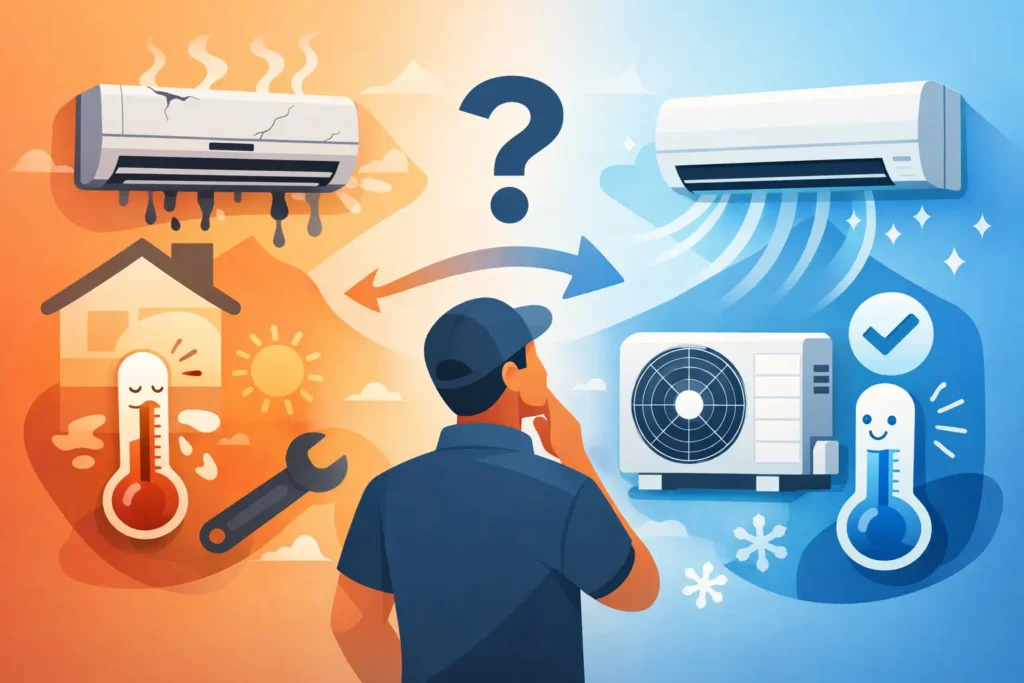
A Central Texas AC can seem fine in the morning and struggle badly by late afternoon. When your home will not stay comfortable, your energy bill keeps climbing, or repair calls become routine, it is natural to ask how to know AC replacement is the better choice instead of another repair. The answer usually comes down to the system’s age, condition, repair history, and how reliably it can handle the heat.
A replacement is a major home decision, and it should not be pushed before it is necessary. At the same time, waiting for an older unit to fail during a Georgetown-area summer can leave your family without cooling when you need it most. Knowing the warning signs gives you time to compare options, plan your budget, and choose a system that fits your home.
How to Know AC Replacement Is Worth Considering
No single symptom automatically means your air conditioner needs to be replaced. A newer system with a failed capacitor, clogged drain line, or worn contactor may be a good candidate for a straightforward repair. But several warning signs together often point to an AC that is nearing the end of its useful life.
Your AC is 10 to 15 years old
Many central air conditioners last around 10 to 15 years in Central Texas, though maintenance, installation quality, usage, and outdoor conditions all make a difference. An older unit that has been maintained well may continue to run dependably. Still, once a system is past the 10-year mark, it is smart to look beyond the immediate repair and consider what may come next.
Older equipment is typically less efficient than current systems, even if it is still operating. Parts can also become harder or more expensive to find. If your AC is aging and beginning to need frequent service, a replacement consultation can help you understand your options before an emergency forces the decision.
Repairs are becoming frequent or expensive
One repair does not necessarily justify replacement. Even a well-maintained system can need an occasional part. The concern is a pattern: a repair last summer, another one this spring, and now another issue just as temperatures rise.
Consider the cost of the current repair alongside the condition of the entire system. If a major repair costs a significant share of what a new system would cost, replacement may offer better long-term value. This is especially true when the compressor, coil, or other major components are involved on an older unit.
A trustworthy HVAC technician should explain both paths clearly. Sometimes repair is the sensible choice. Sometimes spending more money on an aging system only delays a larger expense while leaving you with uncertain comfort.
Your home has hot and cold rooms
If one bedroom stays warm while the living room feels cool, the cause may be more than the AC itself. Ductwork, insulation, air leaks, thermostat placement, and system sizing can all affect comfort. That is why uneven temperatures deserve a complete evaluation rather than an automatic equipment replacement recommendation.
However, an older AC that can no longer keep up may run for long periods without delivering even cooling. You might notice upstairs rooms becoming uncomfortable, weak airflow from certain vents, or a home that never reaches the thermostat setting during the hottest part of the day. A properly sized replacement system, paired with attention to airflow concerns, can make a meaningful difference.
Energy bills keep rising without a clear reason
Summer electric bills rise in Texas. That is expected. What is not as expected is a steady jump in cooling costs even when your household habits have stayed about the same.
As components wear down, an air conditioner can lose efficiency and run longer to cool the home. Dirty coils, refrigerant problems, failing motors, and duct leaks can contribute. Some of these issues are repairable, so a professional diagnosis matters. But if an older unit is using more electricity every season and still leaving the house uncomfortable, replacement may reduce operating costs while improving performance.
The system runs constantly or cycles oddly
On a hot Central Texas day, your AC should run often. It may even run for extended periods during peak afternoon heat. Constant operation becomes a problem when the system cannot hold the desired temperature, blows warm air, or seems to run all day with little improvement.
Short cycling is another concern. This happens when the system turns on and off repeatedly in brief intervals. It can be caused by a thermostat issue, airflow restriction, refrigerant concern, electrical problem, or an improperly sized system. Because short cycling puts extra strain on equipment, it should be checked promptly.
You are dealing with R-22 refrigerant
Some older air conditioners use R-22 refrigerant. New production and import of R-22 has been phased out in the United States, which can make refrigerant-related repairs costly and less practical. If an R-22 system develops a leak, adding refrigerant may not be the best long-term investment.
A technician can confirm what refrigerant your unit uses and explain the repair options. In many cases, homeowners with an older R-22 system choose replacement to avoid putting substantial money into equipment that is already near the end of its service life.
Repair or Replace? Look at the Full Picture
The decision is not only about the repair invoice in front of you. Think about reliability, comfort, energy use, warranty coverage, and how long you expect to stay in the home.
For example, repairing a 7-year-old system with a minor electrical issue is usually very different from repairing a 14-year-old system with a compressor problem and a history of service calls. A homeowner planning to move soon may weigh the decision differently than a family planning to stay for another decade. There is no one-size-fits-all answer, but there should be a clear explanation of the trade-offs.
It also helps to consider timing. Replacing an AC before it fails gives you more control over the process. You can compare efficiency levels, ask questions about equipment sizing, and schedule installation without the pressure of a no-cooling emergency. Waiting may be unavoidable, but planning ahead is usually less stressful.
What a Proper AC Replacement Evaluation Should Include
A replacement recommendation should be based on more than the age of the outdoor unit. The right system needs to match your home’s cooling needs. Installing equipment that is too large can lead to short cycling and poor humidity control, while an undersized system may struggle through the hottest days.
During an evaluation, the technician should consider your home’s square footage, layout, insulation, windows, ductwork, airflow, and existing equipment condition. They should also discuss your comfort concerns, such as rooms that never cool properly or high utility bills. This helps determine whether a new AC alone will solve the problem or whether duct repairs, thermostat updates, or other improvements should be considered too.
Efficiency is another part of the conversation. Higher-efficiency systems can lower energy use, but the best choice depends on your budget, how long you plan to own the home, and how much cooling your household uses. The highest available rating is not automatically the best fit. The goal is dependable comfort and value that make sense for your situation.
Do Not Ignore Signs of a Failing AC
If you notice burning smells, loud grinding or banging, water around the indoor unit, ice buildup, repeated breaker trips, or no cool air at all, schedule service as soon as possible. These symptoms can indicate problems that may worsen if the system continues running.
Until a technician can inspect the unit, change a dirty air filter if needed and make sure the outdoor unit is clear of leaves, grass, and debris. Avoid repeatedly turning a malfunctioning system on and off in hopes that it will recover. That can place additional strain on the equipment.
Get Clear Answers Before the Heat Peaks
Your air conditioner does not need to be perfect to remain worth repairing. But when it is older, unreliable, inefficient, or expensive to keep fixing, replacement may protect your comfort and help you avoid an unexpected breakdown during a Texas heat wave.
For homeowners in Georgetown, Round Rock, Hutto, Jarrell, Leander, and nearby communities, Neal HVAC can evaluate your system, explain the practical options, and provide a straightforward quote. The right next step is not guessing whether your AC has one more summer left. It is getting a clear assessment so you can make a confident decision for your home.