Can Low Refrigerant Damage a Compressor?
Your air conditioner may still blow some cool air when refrigerant is low, but that does not mean it is operating safely. Can low refrigerant damage a compressor? Yes. If the issue is allowed to continue, low refrigerant can cause the compressor to overheat, wear out, or fail completely. In Georgetown’s long cooling season, catching a refrigerant problem early can protect both your comfort and one of the most expensive parts of your AC system.
Why Low Refrigerant Can Damage a Compressor
The compressor is the heart of your air conditioning system. It pressurizes refrigerant and moves it through the indoor and outdoor components so heat can be removed from your home. For that process to work correctly, the system needs the right refrigerant charge.
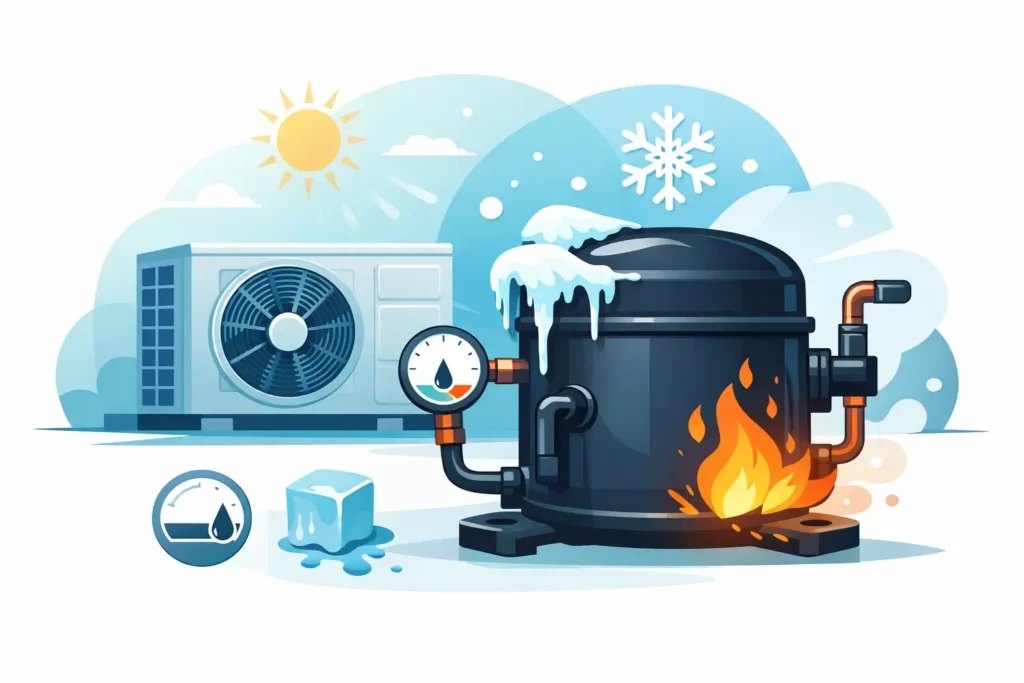
Refrigerant does more than carry heat. It also helps keep the compressor operating within a safe temperature range. When the charge is low, less refrigerant returns to the compressor. That can reduce cooling to the compressor motor and make the unit work harder and run hotter than it should.
A compressor that overheats repeatedly can suffer internal wear. Electrical windings can break down, lubrication may be affected, and moving parts can be damaged. Eventually, the compressor may stop starting or fail while your system is under heavy demand.
A low charge does not always cause immediate compressor failure. The risk depends on how low the refrigerant level is, how long the system has been operating that way, the outdoor temperature, and the condition of the equipment. Still, it is not a problem to put off, especially during a Central Texas summer.
Refrigerant Does Not Get Used Up
Homeowners sometimes assume an AC unit simply needs refrigerant added from time to time, like a car needs fuel. A properly installed air conditioner is a closed system. It should not normally use up refrigerant.
If your system is low, there is usually a leak somewhere in the refrigerant circuit. Leaks may develop at fittings, coils, valves, or damaged lines. Some are obvious, while others are small enough to slowly reduce performance over months or years.
Adding refrigerant without finding the reason it is low may provide temporary relief, but it does not solve the underlying problem. The system can lose charge again, efficiency can drop again, and the compressor remains at risk. A proper repair begins with confirming the refrigerant level, locating the leak when possible, repairing it, and charging the system according to manufacturer specifications.
Signs Your AC May Have Low Refrigerant
Low refrigerant can look similar to several other AC problems, including airflow restrictions, dirty coils, thermostat issues, or a failing capacitor. That is why testing by a qualified technician matters. Still, there are warning signs homeowners should take seriously.
Your home may feel warmer than normal even though the AC runs for long periods. Air coming from the vents may not feel as cool as it once did, and some rooms may struggle more than others. You may also notice higher electric bills because the system is running longer to reach the thermostat setting.
Ice on the refrigerant line or indoor coil is another common sign. It can seem strange for ice to appear when the house is warm, but low refrigerant can lower coil temperatures enough for moisture to freeze. Restricted airflow can also create this issue, so turning the system off and calling for service is safer than trying to diagnose it by appearance alone.
Listen for unusual sounds as well. Hissing or bubbling near refrigerant lines can sometimes point to a leak. A struggling outdoor unit, frequent cycling, or a system that runs constantly without cooling well also deserves prompt attention.
What Happens When the Compressor Is Forced to Work Harder
An air conditioner is designed to operate with specific pressures, temperatures, and refrigerant flow. Low charge throws that balance off. The indoor coil may not absorb enough heat, so your home stays less comfortable. Meanwhile, the compressor may have to run longer and work under conditions it was not designed to handle.
This is especially hard on older equipment. An older compressor may already have normal wear from years of Texas heat. Running it with low refrigerant can turn a repairable leak into a much larger repair decision.
There is also a comfort and cost trade-off. Scheduling service when the AC is still cooling a little may feel less urgent, but it is often the better choice. Waiting until the system stops completely can mean higher repair costs, more time without cooling, and fewer options if the compressor has been damaged.
Can You Keep Running an AC With Low Refrigerant?
It is best not to run an air conditioner for extended periods if you suspect low refrigerant. If the system is barely cooling, has frozen over, or is making unusual noises, turn it off and arrange service. Continuing to operate it can increase stress on the compressor and may cause additional damage.
If the indoor coil is frozen, switch the thermostat from COOL to OFF and set the fan to ON if your thermostat allows it. This can help thaw the ice before a technician arrives. Do not chip ice off the coil or pour hot water on components. That can damage delicate fins, wiring, or other parts.
Keep in mind that a frozen system may create water as it thaws. Check around the indoor unit for drainage issues, but avoid opening sealed refrigerant components or attempting a refrigerant refill yourself. Refrigerant work requires the right equipment, training, and handling procedures.
The Right Repair Depends on the Leak and Your System
Not every low-refrigerant repair leads to the same recommendation. A small, accessible leak in a newer system may be a straightforward repair followed by an accurate recharge. A major coil leak or a system with multiple age-related issues may require a broader conversation about repair costs, reliability, and replacement options.
The refrigerant type also matters. Some older systems use refrigerants that are more difficult or expensive to source than current options. In those situations, putting significant money into an aging unit may not always be the most practical long-term choice. A technician should explain the condition of your equipment clearly, including what can be repaired now and what may be worth planning for later.
At Neal HVAC, the goal is to give homeowners in Georgetown, Round Rock, Hutto, Jarrell, Leander, and nearby communities straightforward answers. You should know what is causing the problem, what the repair involves, and what to expect before deciding how to move forward.
Preventing Compressor Problems Before Summer Peaks
Regular maintenance cannot prevent every refrigerant leak, but it can help identify performance concerns before they become an emergency. During an AC tune-up, a technician can check operating pressures, inspect coils and electrical components, verify airflow, and look for signs that the system is working harder than it should.
Homeowners can help by changing filters on schedule, keeping the outdoor unit clear of leaves and grass, and paying attention to changes in cooling performance. A dirty filter will not cause a refrigerant leak, but restricted airflow can create similar symptoms and add unnecessary strain to the system.
The best time to address a weak-cooling AC is before it becomes a no-cooling emergency. If your system is taking longer to cool, freezing up, or driving up energy bills, a timely service visit can help protect the compressor and keep your home comfortable when the heat settles in.