Why AC Runs Constantly in Central Texas Homes
A Georgetown summer afternoon can push an air conditioner hard. When outdoor temperatures stay in the upper 90s or above, it is common for an AC system to run for long stretches to keep your home comfortable. But if it never seems to take a break, cannot reach the thermostat setting, or your electric bill suddenly climbs, there may be a problem that needs attention. The same goes for warm November afternoons, when a healthy system should cycle off once your home reaches the set temperature.
Understanding why AC runs constantly can help you separate normal Texas heat from an issue that is wasting energy or putting unnecessary strain on your equipment. Some causes have a simple homeowner fix. Others need a trained HVAC technician before a small repair turns into a major breakdown.
Why AC Runs Constantly During Texas Heat
Your air conditioner is designed to cycle on and off as it removes heat and humidity from your home. During mild weather, those cycles may be fairly short. During a Central Texas heat wave, however, a properly working system may run much longer, especially during the hottest part of the day.
Long run times can be normal when the temperature outside is well above your thermostat setting, your home has many sunny windows, or people are coming and going throughout the day. Most residential systems are sized to maintain a reasonable indoor temperature under expected local conditions, not necessarily to drop the home quickly to a very low setting during extreme weather.
The bigger concern is continuous operation without results. If the thermostat is set to 74 degrees but the indoor temperature stays at 80, or if the AC runs overnight when outdoor conditions have cooled, it is time to look for a cause.
Common Reasons an AC Will Not Shut Off
A dirty air filter is restricting airflow
A clogged filter is one of the most common and easiest problems to correct. Your system needs steady airflow across the indoor evaporator coil to remove heat effectively. When dust, pet hair, and debris block the filter, the AC has to work harder and may run longer without cooling the house properly.
Check the filter monthly during peak cooling season. Many homes need a replacement every one to three months, although homes with pets, construction dust, or frequent allergy concerns may need it more often. Use the filter type recommended for your system. An overly restrictive filter can also reduce airflow if the equipment is not designed for it.
The thermostat setting or thermostat location is causing trouble
Start with the simple check: confirm that the thermostat is set to Cool and that the fan is set to Auto, not On. When the fan is set to On, it can continue blowing between cooling cycles, making it seem like the AC never stops.
Thermostat placement matters, too. A thermostat near a sunny window, kitchen, exterior door, or heat-producing appliance may sense more heat than the rest of the house. It can keep calling for cooling even when other rooms feel comfortable. Older thermostats can also lose calibration or develop electrical issues that cause irregular system operation.
Low refrigerant is limiting cooling capacity
Refrigerant carries heat from inside your home to the outdoor unit. It is not something an AC should normally use up. If the refrigerant level is low, there is typically a leak that needs to be found and repaired.
Low refrigerant can make the system run constantly because it cannot move enough heat. You may notice warm air from vents, ice on the refrigerant line or indoor equipment, hissing sounds, or rooms that stay warmer than usual. Adding refrigerant without addressing the leak is only a temporary fix and can lead to repeat problems.
A dirty outdoor unit cannot release heat
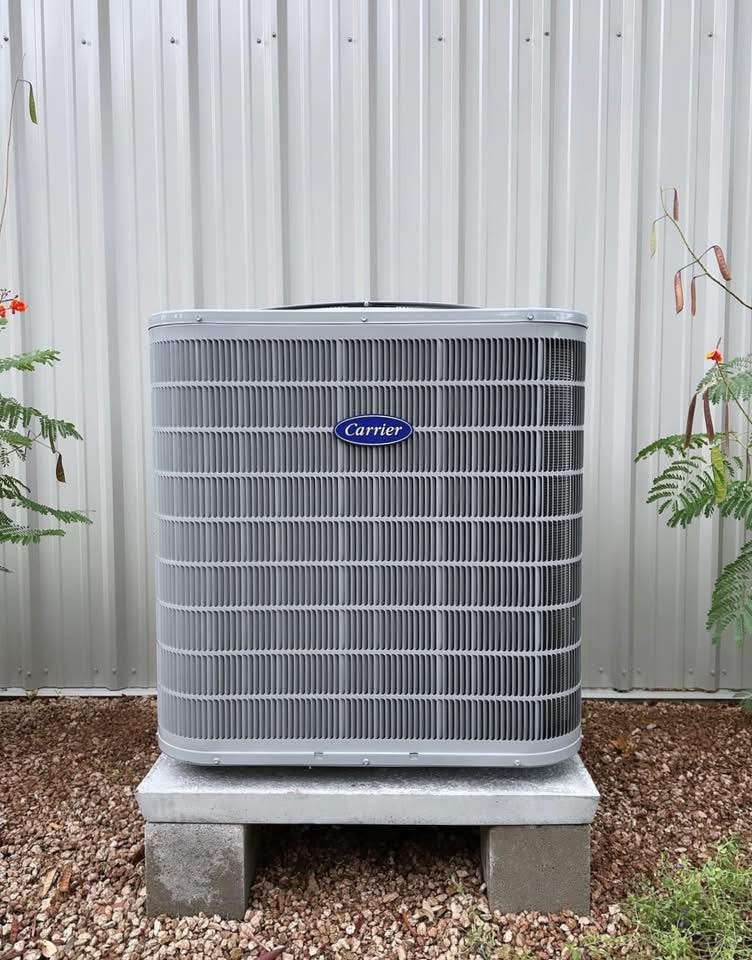
The outdoor condenser needs room and clean airflow to release the heat collected from your home. Grass clippings, cottonwood, leaves, dirt, and overgrown shrubs can block the coil and force the system to run longer.
Keep at least two feet of clear space around the outdoor unit. Avoid stacking items near it or covering it while it is operating. You can gently remove loose debris from the exterior, but coil cleaning and internal inspection are best handled during professional maintenance. The fins bend easily, and electrical components inside the unit require care.
Leaky ducts or poor insulation are letting cool air escape
Your AC may be working, but the cooled air may not be reaching the rooms where you need it. Leaky ductwork in an attic, garage, or crawl space can send conditioned air into unoccupied areas. Damaged duct insulation can make the problem worse in a hot attic.
Poor attic insulation, air leaks around doors and windows, and gaps around recessed lights also make the system work longer. If certain rooms are consistently warmer than others, the issue may involve duct design, insulation, airflow balance, or all three. An HVAC evaluation can identify whether the equipment is the real problem or whether the home is losing too much cooled air.
The AC unit may be undersized or aging
An undersized air conditioner may run nearly nonstop during the hottest days because it does not have enough capacity for the home. This can happen after an addition, garage conversion, or major renovation. It can also happen when a previous installation was sized by square footage alone rather than considering insulation, windows, ceiling height, sun exposure, and ductwork.
An aging system can develop the same symptoms as an undersized one. As components wear down and coils become less efficient, the equipment may no longer deliver the cooling performance it once did. Repairs may restore performance, but if your system is older and needs frequent service, replacement may be the more practical long-term choice.
A larger system is not automatically the answer. Oversized equipment can cool too quickly, cycle excessively, and remove less humidity.
What You Can Check Before Calling for AC Repair
Before scheduling service, check that the thermostat is set correctly and replace a visibly dirty filter. Make sure supply vents are open and return vents are not blocked by furniture, rugs, or curtains. Then look outside to see whether leaves, weeds, or stored items are crowding the condenser.
Also pay attention to what the system is doing. Is it blowing warm air? Is there ice on the indoor coil or refrigerant line? Does the breaker trip? Are there unusual buzzing, grinding, or rattling sounds? These details help a technician diagnose the issue efficiently.
Do not keep lowering the thermostat in an attempt to make the AC cool faster. Setting it far below your preferred temperature does not speed up cooling. It simply tells the system to run longer, which can increase strain when there is already an underlying problem.
When Constant AC Operation Needs Professional Help
Call for service if your AC runs continuously and cannot maintain the set temperature, especially if the problem is new. You should also schedule an inspection if you see ice, notice water around the indoor unit, smell something burning, hear loud mechanical noises, or experience a sharp increase in your energy costs.
If the system freezes, turn the cooling setting off and set the fan to Auto. A frozen coil can be related to airflow problems, refrigerant issues, or other mechanical concerns. Continuing to run the equipment may cause additional damage. If you notice a burning odor, repeated breaker trips, or smoke, turn the system off at the thermostat and contact a qualified professional right away.
For homeowners in Georgetown, Round Rock, Hutto, Jarrell, Leander, and nearby communities, Neal HVAC can inspect the system, explain what is causing the long run times, and provide straightforward repair or replacement recommendations. With 17 years in business and more than 30 years in the trade, our focus has been helping local homeowners make confident comfort decisions without unnecessary confusion.
Preventing Long AC Run Times
Regular maintenance is one of the best ways to catch problems before summer heat exposes them. A seasonal tune-up gives a technician the chance to inspect electrical connections, check drainage, clean components, verify airflow, and identify early signs of refrigerant or performance issues.
Home maintenance helps, too. Replace filters on schedule, keep the outdoor unit clear, use ceiling fans to improve comfort, and close blinds or curtains on sunny windows during the hottest hours. These small steps cannot fix a failing AC, but they can reduce the load on a healthy system.
Your air conditioner may need to work hard during a Central Texas summer, but it should not leave your home uncomfortable or your energy bill out of control. If something feels different about how your system is running, trust that signal and have it checked before the next hot afternoon puts it to the test.